LaxPlaybook LaxPlaybook

article

Articles

Latest coaching articles and tactical notes.

Understanding Slashing in Men's Lacrosse: What You Need to Know
Men's Lacrosse Rules members

Understanding Slashing in Men's Lacrosse: What You Need to Know

By Joe Juter

In men's lacrosse, one of the most serious fouls is slashing, which occurs when a player swings their crosse recklessly or with intent to injure. In this article, we'll explore what constitutes a slash, the types of illegal swings, and the penalties associated with this dangerous foul that can affect player safety and the flow of the game.

Tripping in Men's Lacrosse: Rules, Penalties, and How to Avoid It
Men's Lacrosse Rules members

Tripping in Men's Lacrosse: Rules, Penalties, and How to Avoid It

By Joe Juter

Tripping is a common foul in lacrosse, occurring when a player uses their stick, body, or equipment to cause an opponent to fall. While it can be easily avoided with the right techniques, it remains a penalty that results in time penalties. In this article, we break down what tripping is, when it’s penalized, and how players can prevent this foul during the game.

Cross-Checking in Men's Lacrosse: Rules and Penalties
Men's Lacrosse Rules members

Cross-Checking in Men's Lacrosse: Rules and Penalties

By Joe Juter

Cross-checking is a common yet dangerous penalty in men's lacrosse, occurring when a player uses the shaft of their crosse to push or strike an opponent recklessly or illegally. This article explains what cross-checking is, how to avoid it, and the penalties associated with this foul, which is designed to protect player safety and maintain the flow of the game.

Illegal Screen in Men's Lacrosse: What It Is and How to Avoid It
Men's Lacrosse Rules members

Illegal Screen in Men's Lacrosse: What It Is and How to Avoid It

By Joe Juter

In lacrosse, an illegal screen happens when a player obstructs an opponent’s movement in an illegal way, typically to help a teammate gain an advantage. While screens are key to setting up plays, they must be performed within the game’s rules. In this article, we explain what makes a screen illegal, how to avoid it, and the penalties associated with this infraction.

Men’s Lacrosse Crease Violations: Rules, Penalties, and Prevention
Men's Lacrosse Rules members

Men’s Lacrosse Crease Violations: Rules, Penalties, and Prevention

By Joe Juter

In lacrosse, the crease area is crucial to the game, and the contact rules surrounding it are very strict. Violations in the crease can result in significant penalties that impact both offensive and defensive flow. This article explains what constitutes a crease violation, how it occurs, and how to avoid it to maintain fair and smooth gameplay.

Understanding Warding Off in Lacrosse: How to Recognize and Call the Foul
Men's Lacrosse Rules members

Understanding Warding Off in Lacrosse: How to Recognize and Call the Foul

By Joe Juter

The warding off rule is crucial for ensuring fair play in lacrosse and preventing offensive players from unfairly gaining an advantage by using their free hand or body to push away defenders. This article explains what warding off is, how to recognize it, and how officials should enforce the rule according to NFHS (National Federation of High Schools) standards.

Over and Back Rule in Men's Lacrosse
Men's Lacrosse Rules members

Over and Back Rule in Men's Lacrosse

By Joe Juter

The over and back rule in men's lacrosse prevents teams from retreating into their defensive half after establishing possession in the offensive zone, resulting in a turnover if the ball crosses back over midfield due to an offensive team's action. This rule ensures fast-paced play, encourages strategic ball movement, and aligns with other lacrosse rule sets to maintain consistency and fairness.

Backdoor Feed & Finish
Women's Lacrosse Practice Drills members

Backdoor Feed & Finish

By Joe Juter

This drill develops quick ball movement, off-ball cutting, and finishing inside the 8-meter arc while emphasizing feeding from behind the cage and timing cuts effectively. It reinforces decision-making, spatial awareness, and scoring efficiency in a game-like setting.

Lacrosse Then vs. Now: Have We Sacrificed Balance for Specialization?
Lax Blog members

Lacrosse Then vs. Now: Have We Sacrificed Balance for Specialization?

By Joe Juter

Lacrosse was once a seasonal obsession, balanced with other sports, summer jobs, and life experiences. Today, it’s an all-consuming pursuit, with year-round training, club teams, and elite showcases defining the path for young athletes. Are we producing better players, or just burning them out? Do kids still love the game, or has it become just another checkbox on the road to college recruitment? This reflection on lacrosse then and now asks the ultimate question: Have we lost something valuable in the relentless drive for specialization?

The Art of Playing Offense Without the Ball in Lacrosse
Men's Lacrosse Skills and Technique members

The Art of Playing Offense Without the Ball in Lacrosse

By Joe Juter

Lacrosse is a team game where only one player has possession at any given time, so the success of an offensive set depends on the movement and intelligence of the other five players off the ball. To be an effective offensive player, focus on four key principles: Create, Cut, Pass, and Anticipate.

Defending Behind the Goal
Women's Lacrosse Defense members

Defending Behind the Goal

By Joe Juter

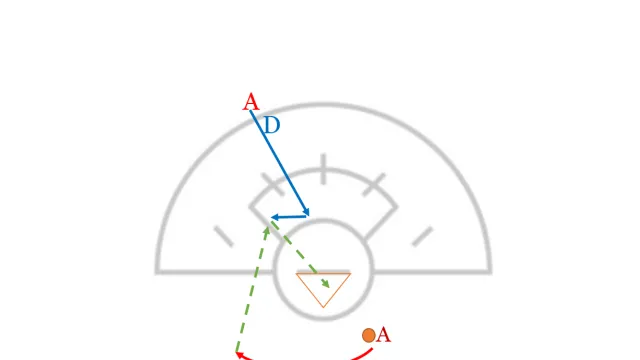
Defending behind the goal in women's lacrosse requires maintaining inside positioning, staying above the goal line extended, and shadowing the attacker until she commits to a side. By beating the attacker to where the crease meets the goal line extended and keeping her outside the eight-meter arc, the defender limits high-percentage scoring opportunities and effectively controls the play.

Off Ball Defense
Women's Lacrosse Defense members

Off Ball Defense

By Joe Juter

communication, and awareness to dictate the attacker's movement and provide support. By maintaining proper positioning, staying balanced, and directing an attacker's movement, defenders can control the game rather than simply reacting, ultimately shutting down even the most aggressive offenses.