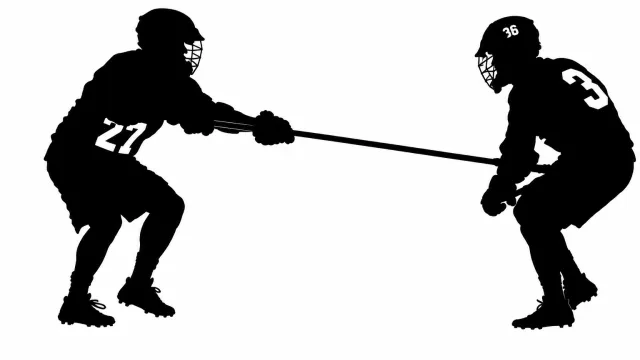

The Three Non-Negotiable Rules for Effective Stick Checks in Defense
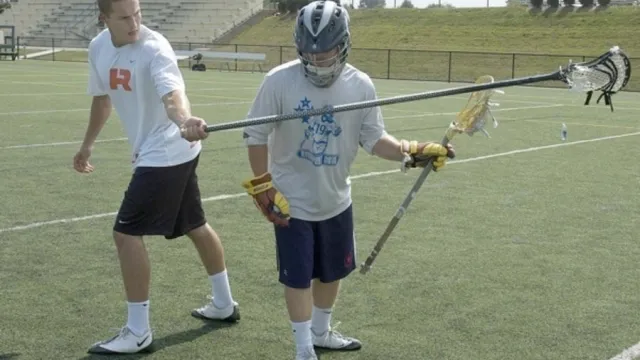
Learning how to throw stick checks the right way is essential for new defenders.
This guide explains the three non-negotiable rules every defense player must follow:
1) Keep your position.
2) Use your arms before the stick.
3) Rely on quantity, not power.
How to Train Alone in Lacrosse
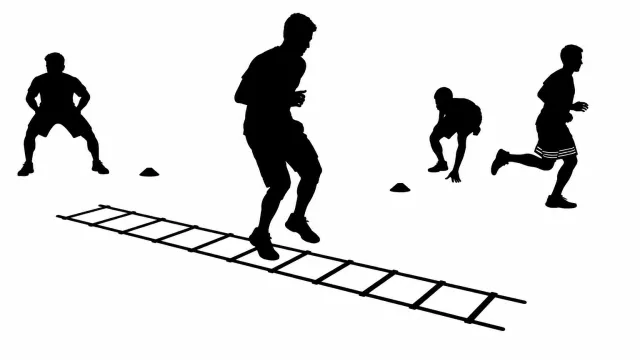
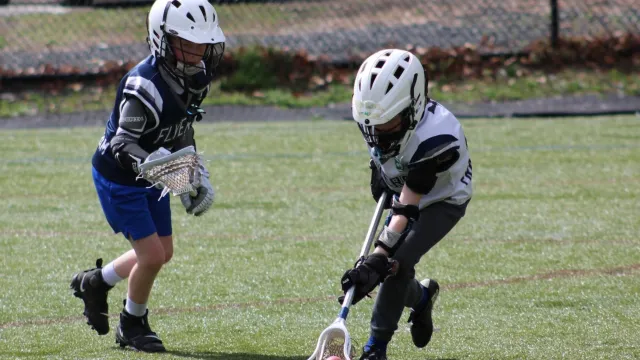
Training alone is one of the fastest ways for a lacrosse player to develop skills, fix weaknesses, and build confidence. This guide shows coaches how to teach players a simple structure for effective solo training. By following these steps, any athlete can improve stick skills, shooting, dodging, conditioning, and creativity all without needing a partner.
The Ice Pick Check in Lacrosse: A Step-by-Step Guide
The ice pick check is a high-risk but powerful defensive move in lacrosse. It requires timing, precision, and awareness of the opponent’s momentum. This guide breaks down the technique into clear, coach-friendly steps. It also explains the key points to teach young players how to throw it effectively while minimizing mistakes.
The Kayak Check
The front kayak check is a powerful lacrosse defensive move that combines body positioning, timing, and stick control to disrupt attackers. Learn the step-by-step mechanics and when to use it effectively.
Mastering the Back Slap and Back Check in Lacrosse Defense
The back slap and back check are powerful defensive techniques that help defenders disrupt an attacker’s dodge and regain possession. By timing your movement and striking with precision, you can knock the ball free while keeping your footwork fast and balanced.
How to Teach the Rusty Gate Check in Lacrosse Defense
The Rusty Gate Check is one of the most exciting defensive moves in lacrosse. It can look flashy, but when taught correctly, it’s a valuable tool for defensemen. This article breaks down two ways to throw the Rusty Gate Check, from the safer method to the riskier version, with clear instructions and coaching points.
How to Throw the Over-the-Head Check in Lacrosse
The over-the-head check is a powerful defensive move when used at the right time. By combining timing, hand speed, and precise stick placement, defenders can disrupt an attacker’s cradle and knock the ball free. This guide explains two variations and key points for coaches to teach.
Shooting on the Run: Unlocking Power and Precision in Lacrosse
Executing an effective shot on the run is a crucial skill in sports like lacrosse. It involves a combination of movements and body adjustments that allow players to make powerful and accurate shots even while in motion. Mastering this technique improves reaction time, control, and shot power, resulting in more unpredictable and harder-to-defend plays.
3 Essential Dodging Tips to Protect Your Stick in Lacrosse
Learn three simple but effective dodging techniques that will help your players protect their stick and avoid turnovers against aggressive defenders.
Ground Balls: Essential Tips for Beginner Lacrosse Players
Learn the essential steps to teach beginner lacrosse players how to pick up ground balls like a pro! Mastering this fundamental skill will set your team up for success on the field.
How to Defend in Lacrosse: Footwork, Positioning, and Using the Crease
This lacrosse defensive drill shows how to deny a player's strong hand, use the crease as help, and control the dodger without overcommitting.
The Back Check: A Defender’s Secret Weapon
The back check is the defender’s ambush—quiet, lethal, and all about timing. You’re not swinging for glory; you’re waiting for that moment when the offensive player gets sloppy with his cradle, then whap—plastic on plastic, ball on turf. This isn’t a desperate hack from behind. It’s calculated, it’s practiced, and when done right, it flips the script behind the cage without drawing a flag.
How to Teach Defensive Stance in Boys’ Lacrosse: Easy Step-by-Step Guide
Learn the basics of a powerful lacrosse defensive stance. This simple concept improves footwork, positioning, and reaction speed.
Mastering the Shooting Cradle in Lacrosse: Step-by-Step Guide for Beginners
Discover how the shooting cradle helps new players throw, pass, and shoot with better control. A must-learn for beginners looking to level up their skills.
The Art of Playing Offense Without the Ball in Lacrosse
Lacrosse is a team game where only one player has possession at any given time, so the success of an offensive set depends on the movement and intelligence of the other five players off the ball. To be an effective offensive player, focus on four key principles: Create, Cut, Pass, and Anticipate.
Throwing a Fake in Men's Lacrosse
Throwing a fake in men’s lacrosse involves using wrist movements, body language, and stick control to deceive goalies and defenders, creating scoring opportunities or opening up space for teammates. By practicing different types of fakes, such as wrist fakes or over-the-top fakes, and executing them with purpose and precision, players can elevate their game and keep opponents off balance.
How to Take Away the Middle in Lacrosse Defense – Simple 1v1 Strategy
Learn how to play one-on-one defense at the top of the field by taking away the middle and forcing attackers down the alley with smart body positioning and patience.
Men’s Lacrosse Defense Checklist: On-Ball, Off-Ball, and Sliding Technique
This checklist breaks down essential defensive skills for lacrosse players, focusing on footwork, positioning, and communication to dominate on-ball, off-ball, picks and slides.
Face-offs in Men’s Lacrosse: Technique and Strategy to Win Possession
In men’s lacrosse, face-offs are essential plays that occur at the start of each quarter and after every goal. This battle for possession gives both teams a chance to control the game from the outset. In this article, we delve into what a face-off is, how it’s executed, and why it’s a crucial skill in lacrosse.
How to Catch a Lacrosse Ball
Catching a lacrosse ball may seem simple, but mastering this skill is essential for fluid, effective play. Whether you're a beginner or an experienced player, learning the correct technique for catching helps you control the game, protect the ball, and make faster moves on the field. In this guide, we cover the key steps to improve your catching technique, from providing a clear target to using "soft hands" for control.