
LaxPlaybook LaxPlaybook

article

Articles

Latest coaching articles and tactical notes.

3v3 Breakout Drill: Defensive Communication and Offensive Activation
Men's Lacrosse Practice Drills members

3v3 Breakout Drill: Defensive Communication and Offensive Activation

By Joe Juter

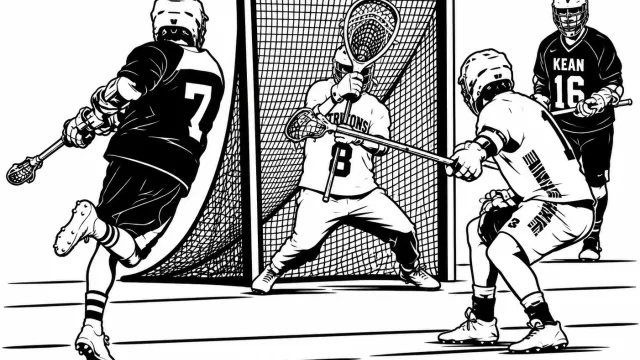
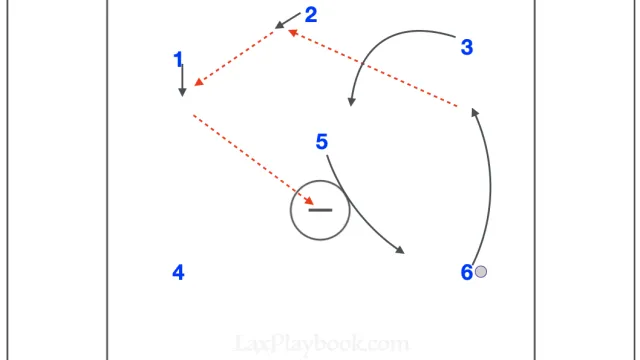
This 3v3 practice drill enhances both defensive and offensive skills by starting with defensemen behind the goal and offensive players at the top of the box. This drill focuses on defensive communication, stick skills, and positioning, while giving offensive players the chance to react quickly and execute plays in a live, game-like setting.

Steal the bacon - Girls Lacrosse game
Women's Lacrosse Practice Drills members

Steal the bacon - Girls Lacrosse game

By Joe Juter

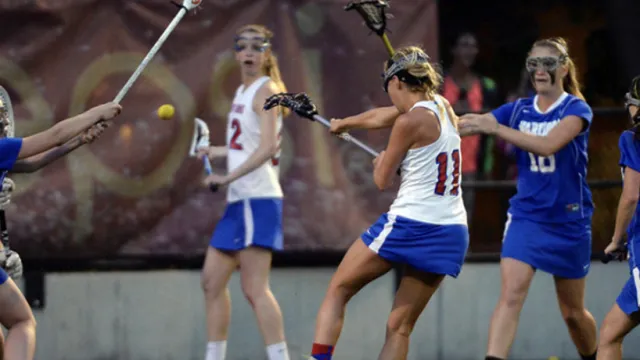
This lacrosse drill is designed for young beginner girls to develop essential skills like ground balls and cradling in a fun, engaging way. It promotes teamwork, agility, and quick decision-making while keeping the game simple with minimal setup and easy-to-follow rules

Change of direction Drill
Women's Lacrosse Practice Drills members

Change of direction Drill

By Joe Juter

The "Change of Direction Drill" is a key lacrosse exercise designed to improve agility, ball control, and quick decision-making. By simulating game situations where attackers dodge defenders, players practice rapid directional changes while maintaining control of the ball. This drill enhances shooting accuracy and power, making it essential for developing speed and efficiency in offensive plays.

"Mouse and Cat" Lacrosse Drill for Boys
Men's Lacrosse Practice Drills members

"Mouse and Cat" Lacrosse Drill for Boys

By Joe Juter

The "Mouse and Cat" lacrosse drill enhances both stick control and defensive skills. Attackers practice ball handling under pressure and evading checks, while defenders work on closing gaps and applying legal checks. This competitive drill develops agility and key techniques for real game situations.

"Mouse and Cat" Lacrosse Drill
Women's Lacrosse Practice Drills members

"Mouse and Cat" Lacrosse Drill

By Joe Juter

The "Mouse and Cat" lacrosse drill helps develop stick control and evasion skills. Attackers focus on ball handling while dodging, and defenders improve their ability to stay close and anticipate movements. It’s a fun, competitive drill that sharpens agility and key technical skills for the game.

3v2 Scramble Drill
Men's Lacrosse Practice Drills members

3v2 Scramble Drill

By Joe Juter

This fast-paced 3v2 scramble drill in men’s lacrosse improves offensive spacing, passing, and shooting while challenging the defense’s slide and recovery. Starting behind the cage, it simulates game-like situations and enhances conditioning, field awareness, and decision-making under pressure.

2-Minute Offense – With Full Accountability Drill
Men's Lacrosse Practice Drills members

2-Minute Offense – With Full Accountability Drill

By Joe Juter

This 2-minute lacrosse drill emphasizes offensive ball control under high pressure, while the defense plays aggressively to force turnovers and clear. Offenses face accountability, running sprints if they lose possession, making them focus on ball security while improving overall conditioning and game readiness.

1 v 1 with a Hole Slide
Men's Lacrosse Practice Drills members

1 v 1 with a Hole Slide

By Joe Juter

This drill focuses on 1v1 situations, allowing offensive players to practice dodges and defensive players to work on positioning and sliding into the hole. With an emphasis on communication, footwork, and finishing with a shot, this drill helps both offense and defense sharpen their skills in realistic game scenarios. Variations include adjusting the starting location or adding an offensive player to challenge the slide defender.

Closed vs. Open Lacrosse Practices: Pros and Cons for High School Teams
Lax Blog members

Closed vs. Open Lacrosse Practices: Pros and Cons for High School Teams

By Joe Juter

Deciding between closed and open lacrosse practices at the high school level involves weighing focus and strategic privacy against transparency and community engagement. Closed practices provide fewer distractions and protect game plans, while open practices foster support and parental involvement. Finding the right balance depends on your team’s needs and program goals.