LaxPlaybook LaxPlaybook

Library

Articles

Latest coaching articles and tactical notes.

Essential Rules for a Legal Stick in Women’s Lacrosse members

Essential Rules for a Legal Stick in Women’s Lacrosse

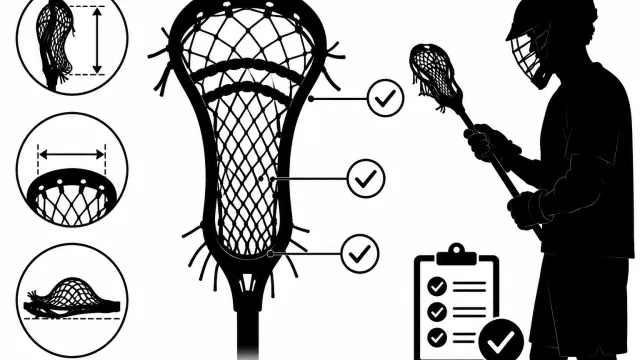
A legal stick in women’s lacrosse must meet specific regulations, particularly regarding the pocket depth and stringing. The pocket depth rule varies based on the age group, with stricter limits for higher levels of play. The top of the ball must remain visible when pressure is applied to the pocket, and shooting strings should be within the top section of the head. The stick’s overall length and head dimensions are also regulated, ensuring fairness in gameplay and preventing any illegal advantages.​

Ensuring a Legal Lacrosse Pocket: A Detailed Guide for Boys’ High School members

Ensuring a Legal Lacrosse Pocket: A Detailed Guide for Boys’ High School

In boys’ high school lacrosse, a legal pocket must follow strict rules regarding depth and dimensions. The ball should release easily during a stick check, and the pocket’s shooting strings must be within four inches from the top of the head. Stick checks can occur at various times: before the game, during timeouts, or after goals, ensuring players maintain legal equipment throughout play. These checks help prevent any unfair advantages and ensure consistency in gameplay.

The Spring Day in ’91 That Sparked My Lacrosse Obsession members

The Spring Day in ’91 That Sparked My Lacrosse Obsession

Step back into the spring of 1991, when lacrosse was still shrouded in mystery, and long before the days of social media. This article is a nostalgic ride through a time when rival teams were distant legends, and a bus ride to Maryland became a pilgrimage to the sport’s Holy Land. Discover the moment lacrosse transformed from a casual hobby into an all-consuming passion. If you’ve ever wondered what it was like to fall in love with the game in the days of AC/DC, mythical players, and legendary bruises, this story is for you. Dive in and relive the magic!

First and Second Slide Strategies Without a Crease Player members

First and Second Slide Strategies Without a Crease Player

In men’s lacrosse, when there’s no offensive player in the crease, the first slide in a man-to-man defense should come from the adjacent defender to the on-ball defender, providing immediate support. The second slide follows from the next adjacent defender or the recovering defender, ensuring all offensive players remain covered. Strong communication, quick recognition, and coordinated movements are key to executing these slides effectively.​

Essential Stretching for Men's Lacrosse: Enhance Performance and Prevent Injuries members

Essential Stretching for Men's Lacrosse: Enhance Performance and Prevent Injuries

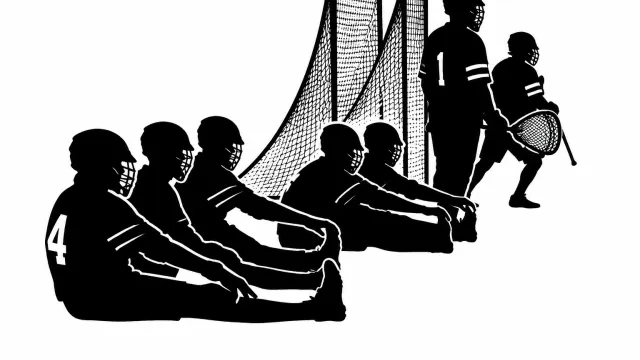
Stretching plays a crucial role in men’s lacrosse, helping players prepare their bodies for the physical demands of the sport while reducing the risk of injuries. A proper warm-up with dynamic stretching enhances mobility and muscle activation, while post-practice static stretching aids in recovery and flexibility. This guide outlines the most effective stretching exercises to optimize performance, prevent injuries, and keep players agile throughout the season.

Slashing in Men’s Lacrosse: Key Rules and Scenarios​ members

Slashing in Men’s Lacrosse: Key Rules and Scenarios​

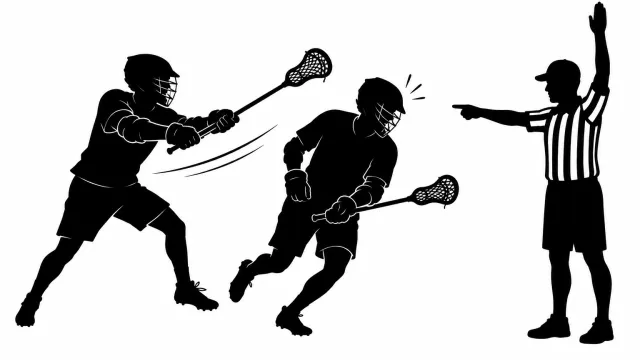
Slashing in men’s lacrosse is a personal foul where a player swings their stick with reckless or violent intent, making contact with an opponent’s body or stick. It can be called even if no contact is made, depending on the severity of the swing. This penalty results in 1-3 minutes in the penalty box, and the penalized team plays a man down. Slashing is common in youth lacrosse, as players often lack the stick control needed to avoid these infractions.​

Quick Explanation of Cross-Checking in Men’s Lacrosse members

Quick Explanation of Cross-Checking in Men’s Lacrosse

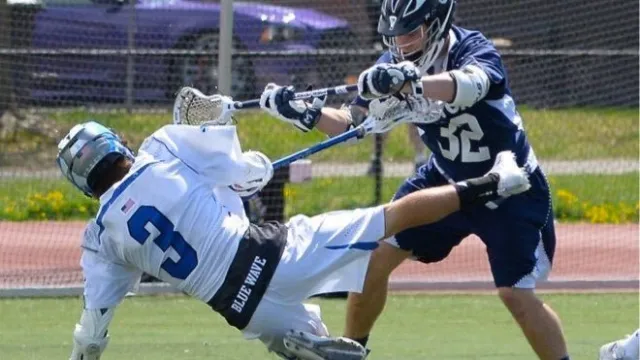
In men’s lacrosse, a cross-check occurs when a player uses the shaft of their stick to strike or push an opponent between their hands, which is illegal. Referees call it differently across levels—strictly in youth leagues for safety, while higher levels like college and professional lacrosse allow more physical play, so long as it’s controlled and not excessive.​

The Multi-Sport Myth: Why Lacrosse Recruiting Demands Specialization members

The Multi-Sport Myth: Why Lacrosse Recruiting Demands Specialization

College lacrosse coaches claim to value multi-sport athletes, but the reality forces players to specialize in lacrosse year-round to meet recruiting demands. The system’s emphasis on constant showcases and tournaments leaves little room for athletes to pursue other sports. This contradiction limits athletes’ experiences, as the recruiting landscape prioritizes specialization over true athletic versatility, making it difficult to be well-rounded both on and off the field.​

Push From Behind in Boys’ Lacrosse: A Common Youth Infraction members

Push From Behind in Boys’ Lacrosse: A Common Youth Infraction

A push from behind is a frequent penalty in boys’ lacrosse, especially at the youth level. It occurs when a player illegally pushes an opponent from behind, causing them to lose balance. This infraction is common during ground ball scrambles, as younger players often lack body control and proper technique. Coaches should focus on teaching ground ball fundamentals and body positioning to reduce these penalties and promote safer, more effective play. The penalty for a push from behind is typically a 30-second technical foul.​