LaxPlaybook LaxPlaybook

Category

Defensive Concepts

Men's Lacrosse Defense content filed under Defensive Concepts.

Team Defense: Close the Gate

Team Defense: Close the Gate

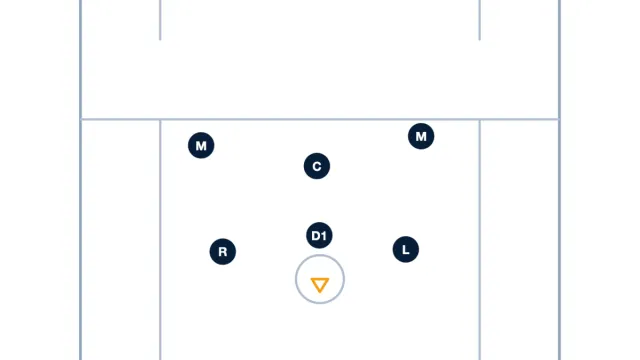
“Close the Gate” teaches defenders to use positioning, body leverage, and communication to keep the ball carrier away from the middle. By protecting the gate and keeping defenders connected to the hole, the defense can force outside dodges and create shorter, more predictable slides.

Slide Early, Slide Often

Slide Early, Slide Often

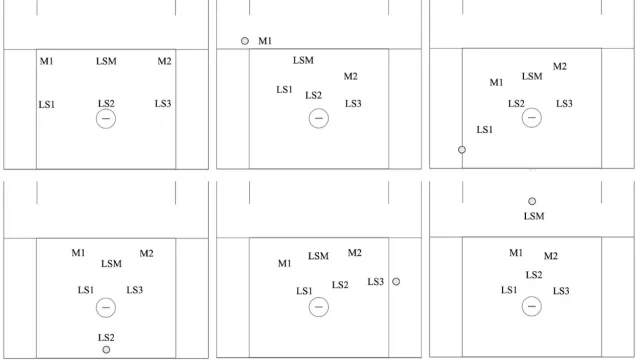
Slide early and slide often removes hesitation and allows the defense to dictate the action by stopping dodgers before they become dangerous. It only works when all six defenders move together—sliding, sloughing in, communicating, and recovering as one connected unit.

Circle Box Team Defense Concept members

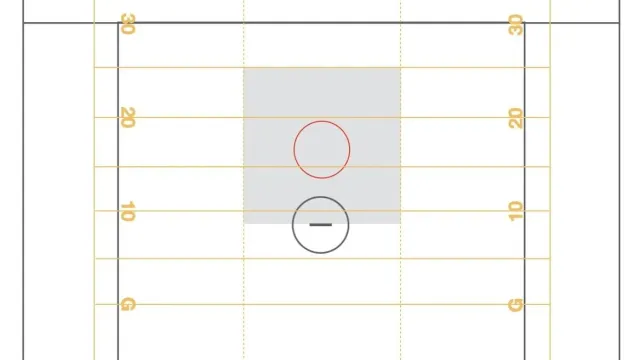
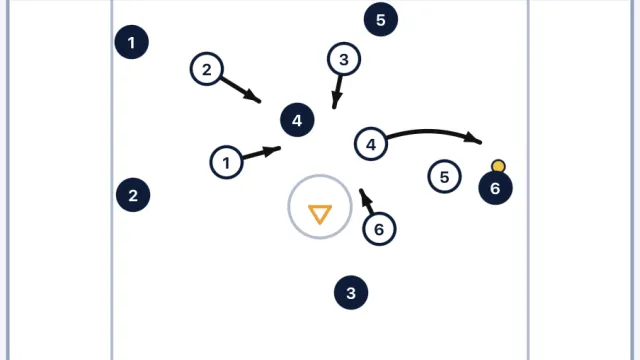
Circle Box Team Defense Concept

I had a very athletic defense with a very low lax IQ. They understood how to get after the ball carrier, press and stay on their bottom hand. But they did not understand off-ball team defensive concepts. Thus I created a few Defensive concepts they could follow regardless if we were in a zone, man to man or even man down.

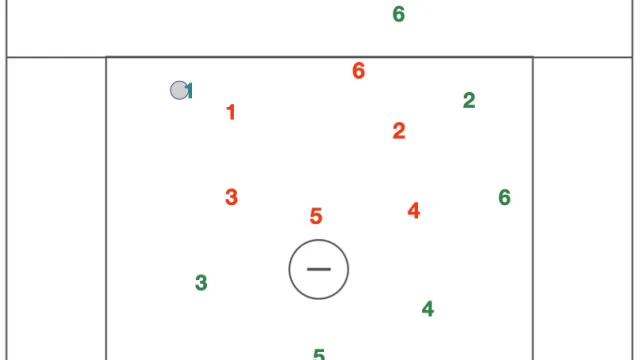
First and Second Slide Strategies Without a Crease Player members

First and Second Slide Strategies Without a Crease Player

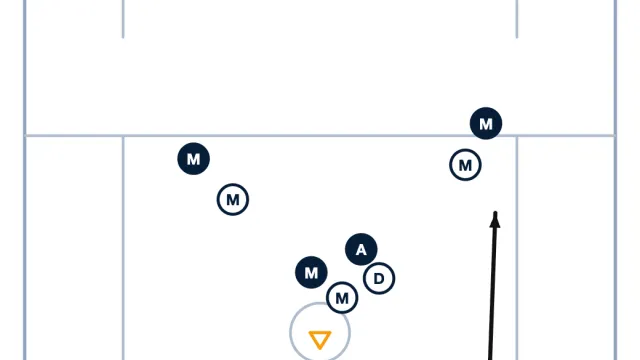
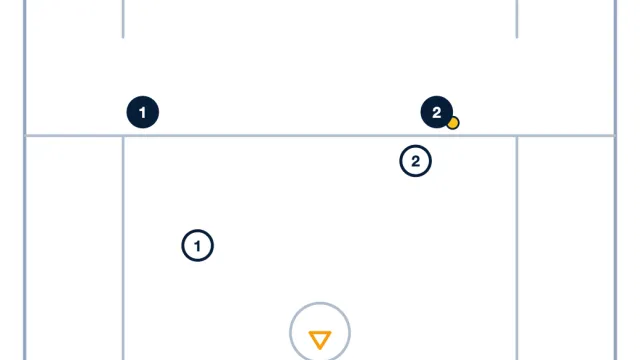
In men’s lacrosse, when there’s no offensive player in the crease, the first slide in a man-to-man defense should come from the adjacent defender to the on-ball defender, providing immediate support. The second slide follows from the next adjacent defender or the recovering defender, ensuring all offensive players remain covered. Strong communication, quick recognition, and coordinated movements are key to executing these slides effectively.​

3-3 Zone Defense members

3-3 Zone Defense

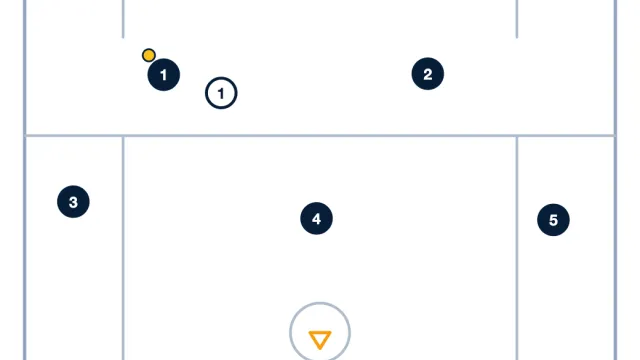
The 3-3 zone in men’s lacrosse is a fundamental defensive strategy that positions three players across the top and three across the bottom of the field. Each defender in men’s lacrosse is responsible for their zone while also supporting their adjacent teammates. This setup simplifies slide packages, making it easier for men’s lacrosse players to understand and execute. While effective, the 3-3 zone in men’s lacrosse can be vulnerable to offensive overloads, requiring quick defensive rotations. Key principles like staying topside help defenders control shooting angles and protect the goal more effectively in men’s lacrosse.

Crease Slide vs. Adjacent Slide in Lacrosse: A Detailed Guide to Defensive Strategy members

Crease Slide vs. Adjacent Slide in Lacrosse: A Detailed Guide to Defensive Strategy

In lacrosse, the crease slide and adjacent slide are two key defensive strategies. A crease slide involves a defender near the crease sliding out to help stop an attacker, ideal for protecting the middle of the field and preventing close-range shots. In contrast, an adjacent slide provides quicker help from the closest defender, best for defending perimeter dodges and well-spaced offenses. Both have their advantages and are used in different scenarios, depending on the offensive setup and defensive needs. Understanding when and how to use each can greatly improve a team’s defensive effectiveness.

Scouting Offenses members

Scouting Offenses

Depending on the level of play scouting an opposing team can be as little as seeing warm ups and talking to peers or as much as watching hours of game film. Either way it is good to know some basic things about your opponent before stepping on the field.