
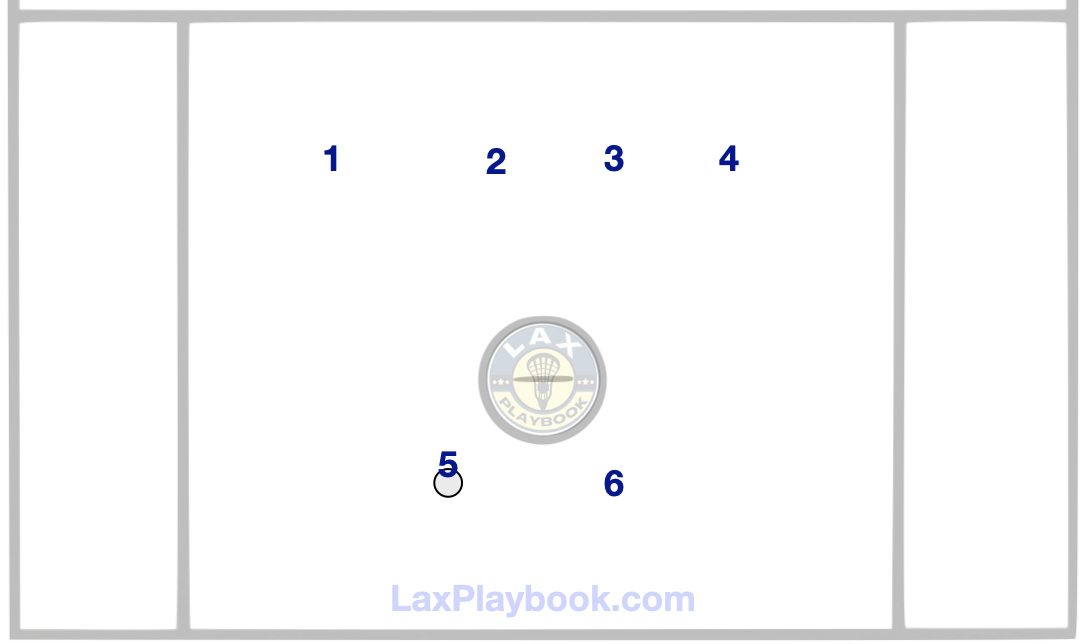
The 2-Behind, 4-Flat up top
This formation uses a two-man game behind the goal while four players stay spread across the top, forcing the defense to choose between helping inside or staying matched up outside. If they help, it creates quick ball movement and open shots up top; if they don’t, the offense has space to attack and score from behind.
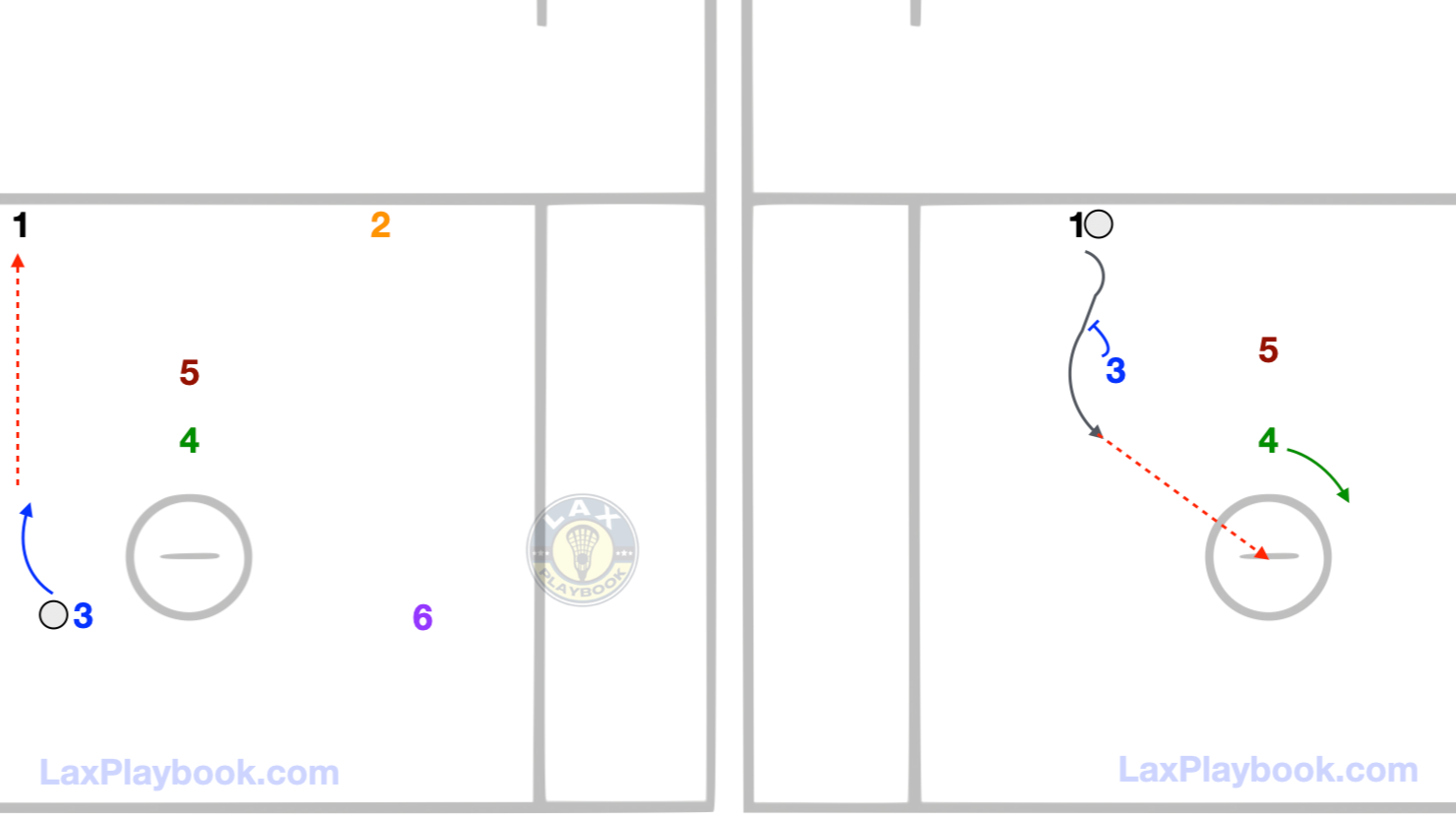
Alley Dodge Pick
The pick-behind combined with an alley dodge puts the defense in a no-win situation — they either get picked or give up a downhill shooting lane. It's a simple two-man action that generates a high-percentage shot with minimal moving parts.
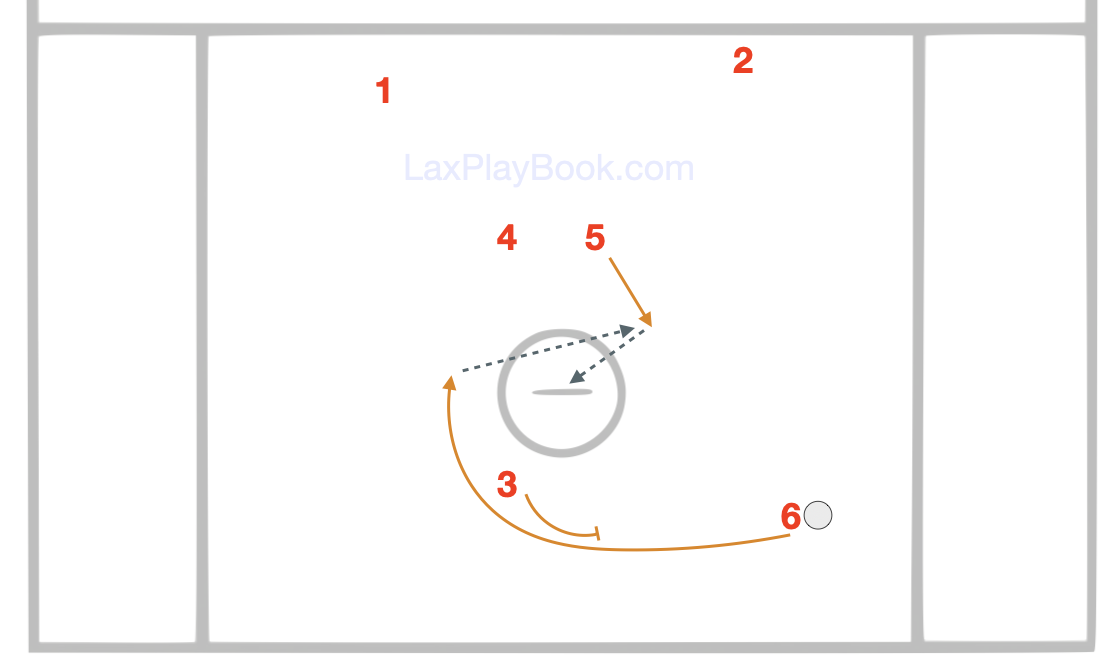
Pick Behind Crease Fade Away
When two attackmen work behind the cage, they force the defense to spread and commit, creating opportunities up top and on the crease. A well-timed pick for the ball carrier combined with a crease man fading to the far pipe gives the offense a high-percentage look that is nearly impossible to defend when executed with patience and timing.
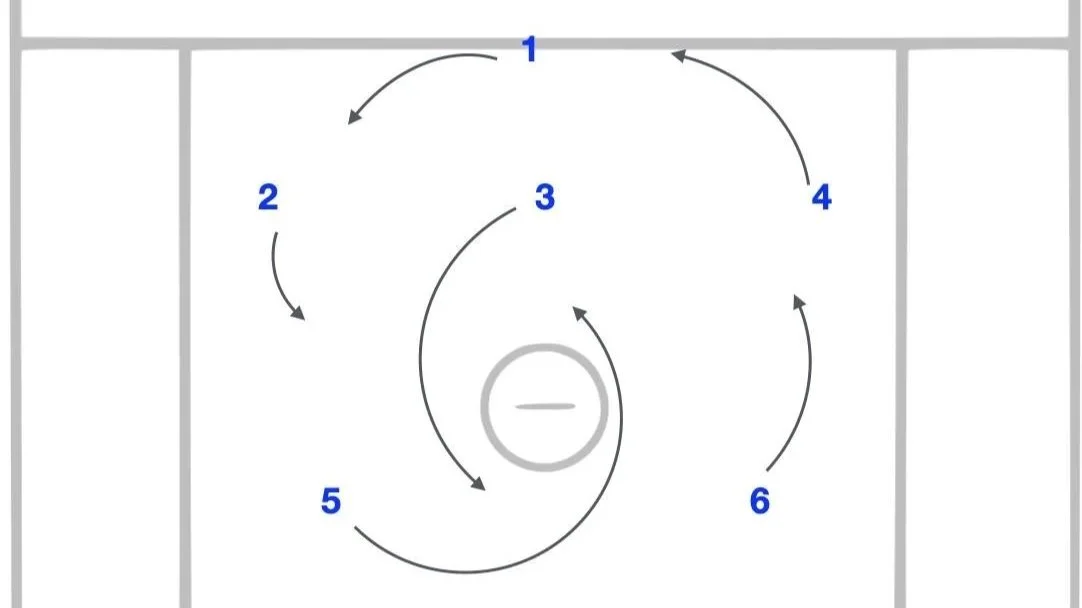
Breaking the Rotation: The Tactical Advantage of Shifting from 1-3-2 to 2-3-1
Transitioning to a 2-3-1 alignment forces the top defenders to widen out, cracking open the middle of the field for cleaner skip lanes and high-quality step-down shots. By altering the attack geometry, you disrupt established defensive rotations and isolate the single player behind the net to quarterback the offense with significantly less pressure.
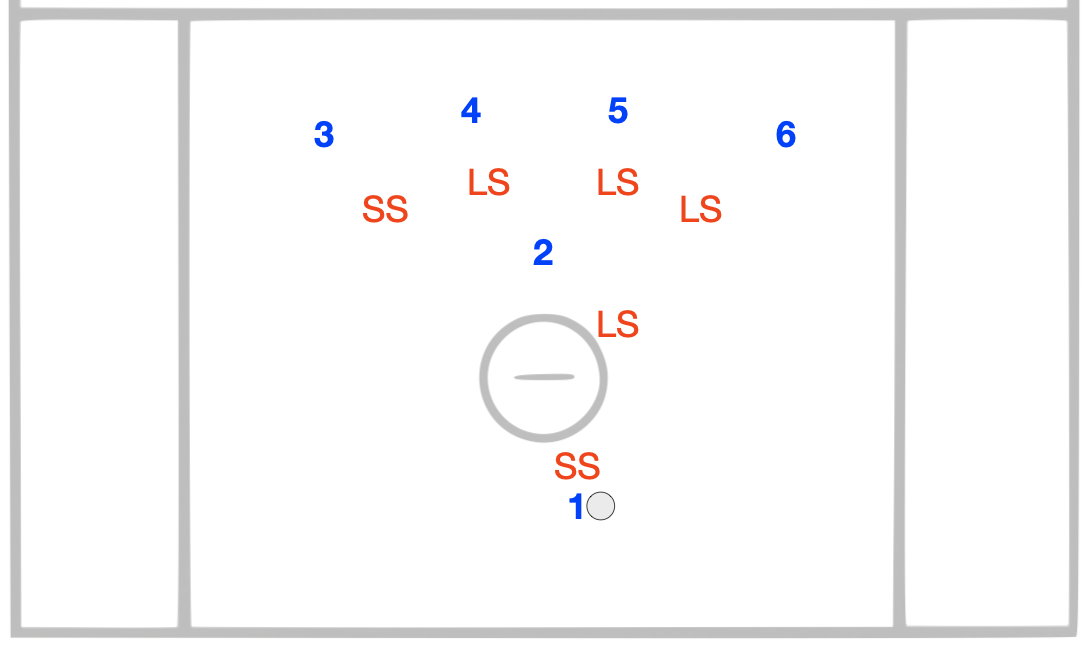
Isolating The Short Stick Behind
A short stick behind the cage is the matchup most defenses least want to see. It puts an uncomfortable defender in an unfamiliar spot and forces the defense to prepare early slides. Once they overreact, your dodger can read the help and find the open player. The isolation isn’t just about beating the short stick—it’s about triggering the defensive rotation you can take advantage of.
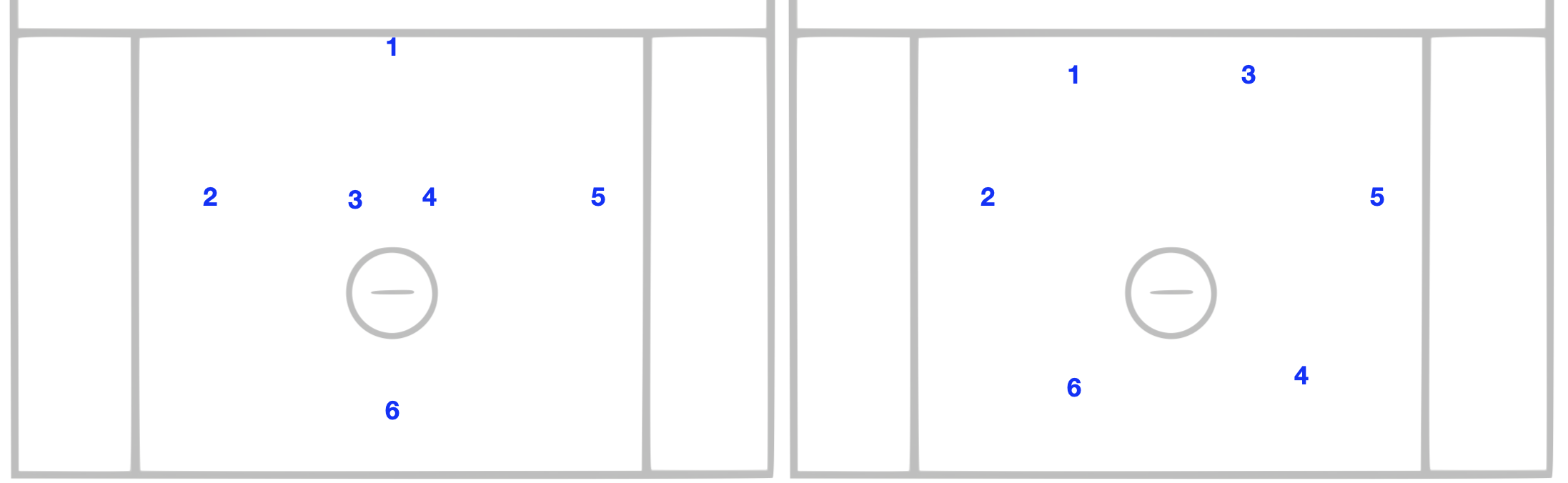
Changing From a 1-4-1 To An Open Set Is All You Need
A simple shape change forces a man-down defense to completely rewrite their responsibilities on the fly. Going from two crease threats to none flips the job of the middle defender, overloads the outside, and pushes communication to its breaking point—all without the offense running a single play.

Pick the Picker: Turning the Screen-Setter into the Scoring Threat
Pick the Picker turns the screen-setter into the scoring threat. After setting a pick, another teammate frees the picker to slip open and receive the ball.
Defending the Pick and Roll
Defending the pick and roll is one of the most important skills in box lacrosse. Players need to recognize screens quickly and respond with one of three defensive options: staying, switching, or jumping the pick. With proper communication and timing, defenders can shut down scoring chances and regain control.

How to Teach the Pick and Roll with Finish in Lacrosse
The pick and roll is a core lacrosse concept that creates scoring chances near the crease. Players learn how to sneak up on defenders, set strong picks, roll tightly, and finish with placement over power. This article gives coaches a clear step-by-step breakdown to teach the drill effectively.

How to Use Your Eyes to Freeze the Slide in Lacrosse Offense
Using your eyes as an attacker can make the difference between losing the ball or creating a scoring opportunity. One of the most powerful techniques is learning how to “freeze the slide” with your vision, giving you more time and options on offense.

Sweep Dodge from a 3-3 Set: How to Create Space Without Crossing Paths
Starting from a balanced 3-3 set, this sweep dodge clears space by having players drift with the dodge — without crossing paths or clogging lanes. It gives your top dodger room to operate while naturally flowing into new formations.

A Wing Triangle Offense Can Work Against Any Defense
If you want an offense that works against both zone and man-to-man, triangle movement is the answer. As the ball carrier moves upfield, simple rotations — one player cutting down, one popping out — create constant spacing, giving the ball carrier room to dodge or feed without clutter. The beauty of the triangle is how it pulls defenders toward the ball, opening up easy backside shots and cuts. Instead of teaching two different offenses, you give your players one clean system that simplifies their decisions and stresses any defense you face.
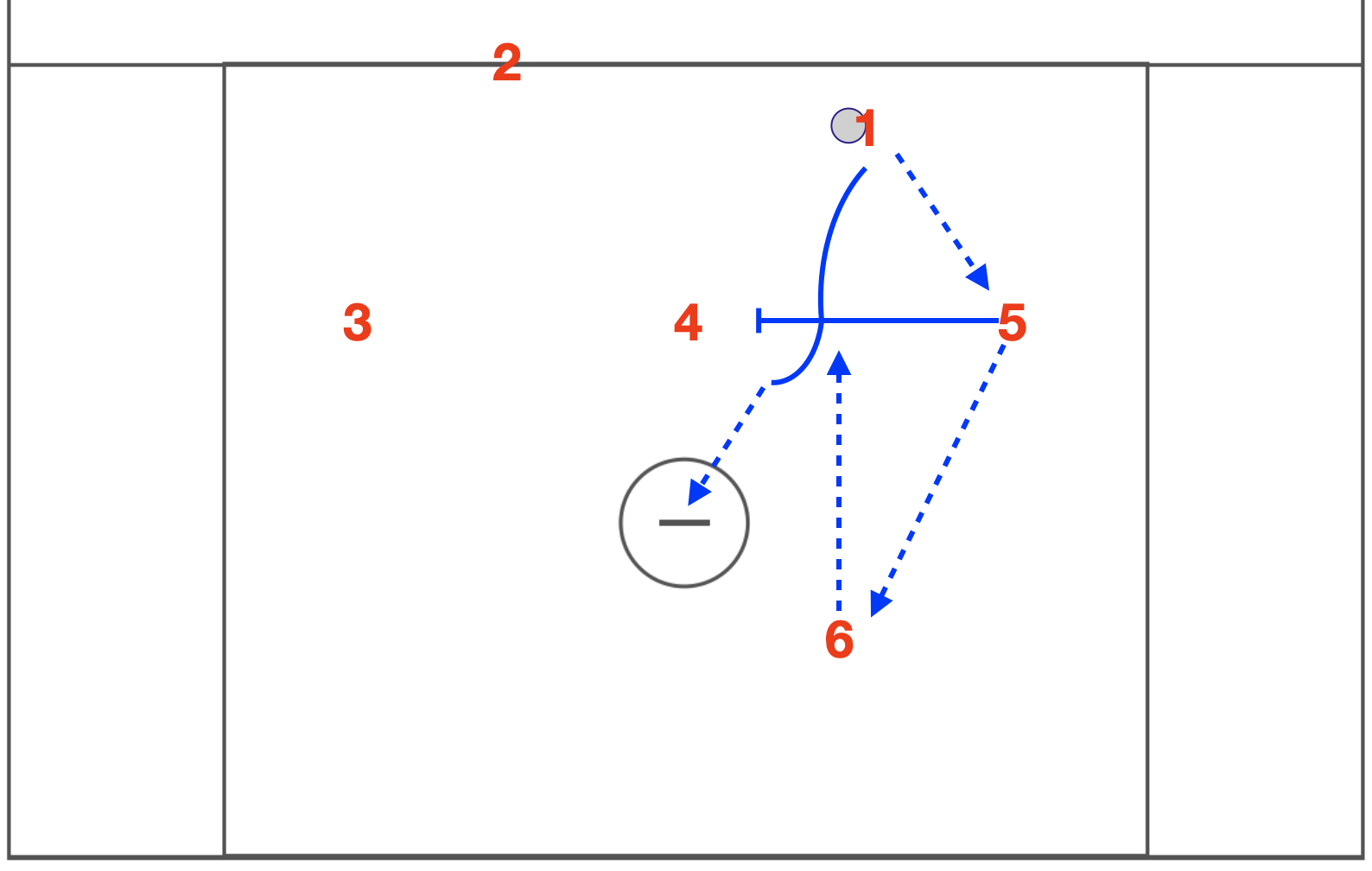
Dodge, Pass, Pick, Send it Behind and Cut
Starting with a top dodge and quickly passing the ball can disrupt defenses and create scoring chances. This covers the strategic use of synchronized cuts and picks to enhance your team's play.
Forcing the Short Stick to be the first slide
Maryland’s 1-4-1 offensive strategy isolates short sticks up top while positioning the second short stick as the first slide, repeatedly neutralizing the long poles and exploiting favorable matchups. By quickly resetting and recreating this scenario, they ensure constant pressure on the defense, making it an effective approach for teams with dodgers who struggle against long poles.
Turn Ground balls into Fast Breaks
Ground balls are crucial in lacrosse, and by teaching players to fight for possession with three on-ball and three off-ball in a triangle ready to attack or defend, teams can seamlessly transition into fast-break opportunities. This simple, structured approach reduces chaos, keeps the play fast, and creates scoring chances or defensive stability, requiring only hustle, basic stick skills, and adherence to a few key rules.
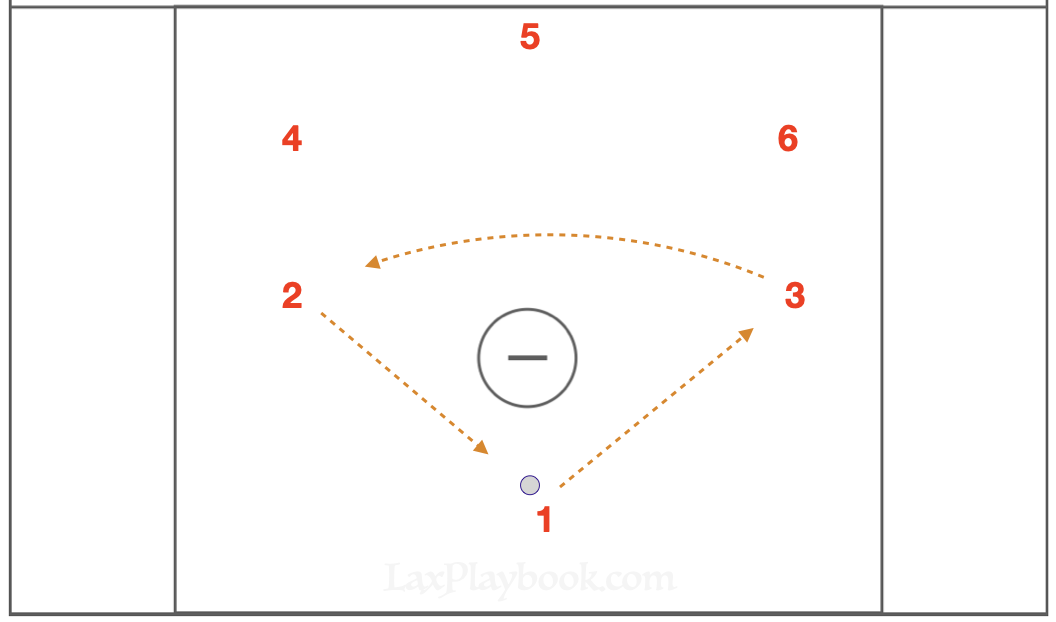
Dodging from X out of an open set
In an open set with two triangles, a dodger at X creates space by attacking the goal while one adjacent player cuts to the crease and the other rotates to X for a rollback option. This setup ensures scoring opportunities through quick passes, open midfield shots, or an uncontested dodge if no slide comes.
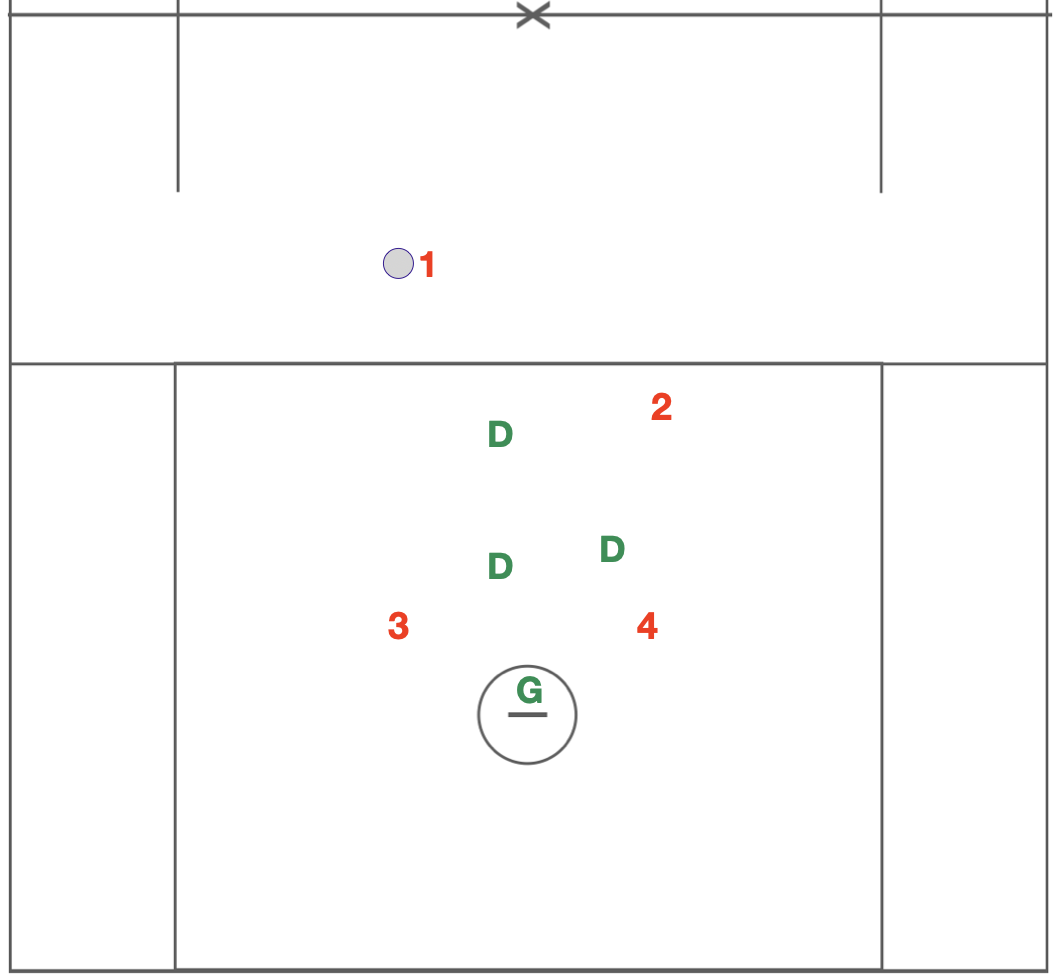
Perfecting the Fast Break in Men's Lacrosse
A fast break in men's lacrosse is a quick 4-on-3 transition where the offense aims to score within 2-3 seconds using minimal passes, precise positioning in an L-formation, and decisive actions to exploit defensive rotations. Success relies on clear communication, sprinting into position, and prioritizing quick, accurate shots.
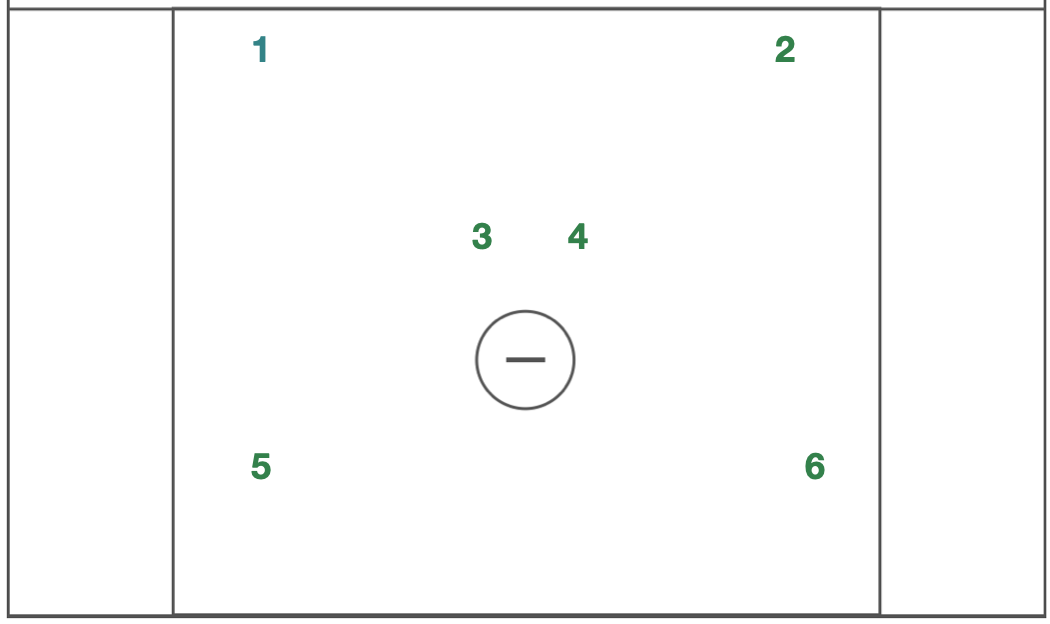
About the 2-2-2 Offensive formation
The 2-2-2 offense in men's lacrosse is a balanced and versatile setup with two players up top, two on the crease, and two behind the goal, creating space and opportunities through coordinated motion and teamwork. By leveraging dodging, effective off-ball movement, and seamless transitions into other formations, this strategy puts constant pressure on defenses, generating high-percentage scoring chances.
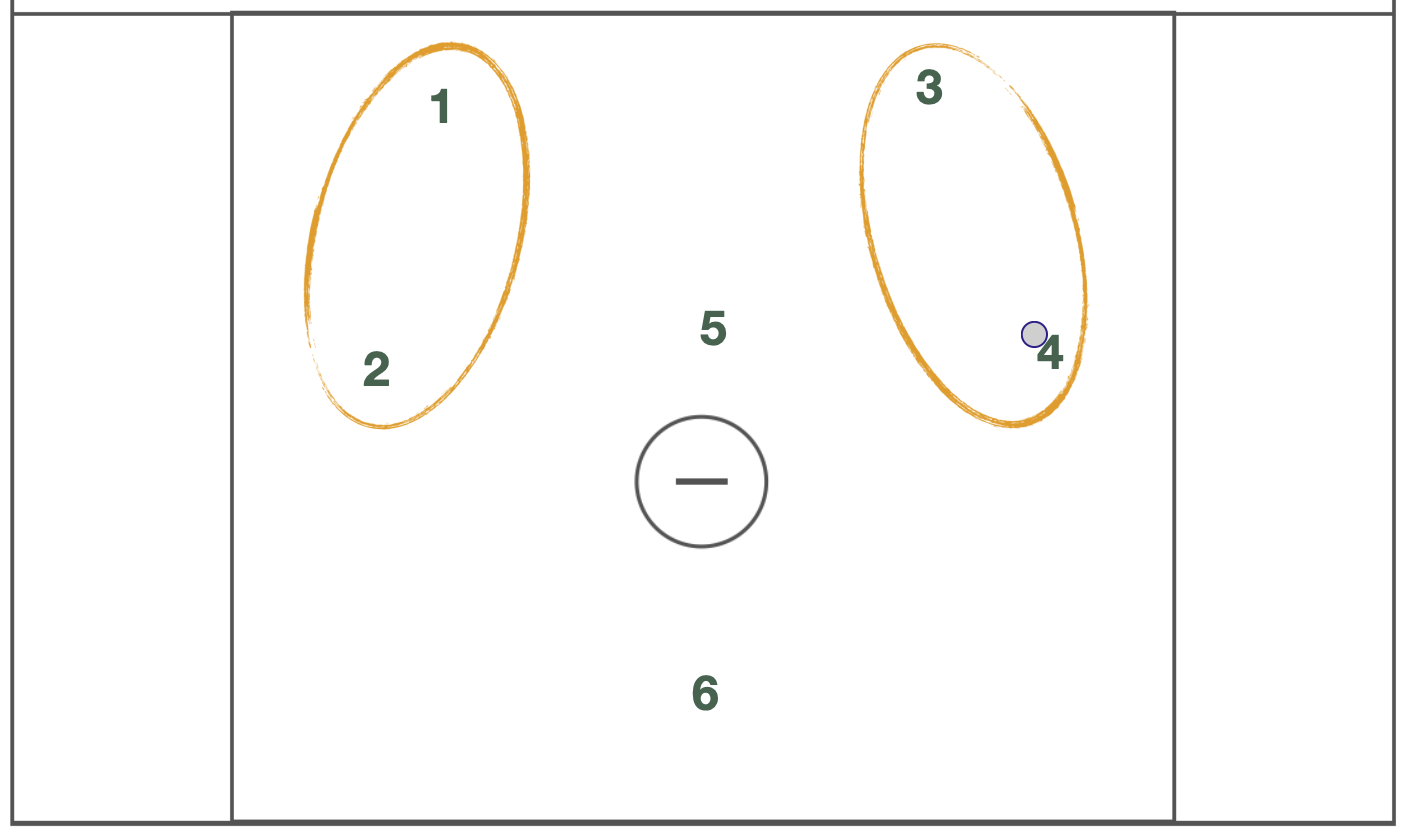
Designated Crease and Two-Man Game Offense: A Versatile Approach
This versatile lacrosse offense combines a crease player, an X "quarterback," and two-man games on the wings to create multiple scoring threats, making it hard for defenses to cover all areas. By balancing individual skill and coordinated movement, it keeps defenders engaged and adaptable to exploit any defensive weaknesses.
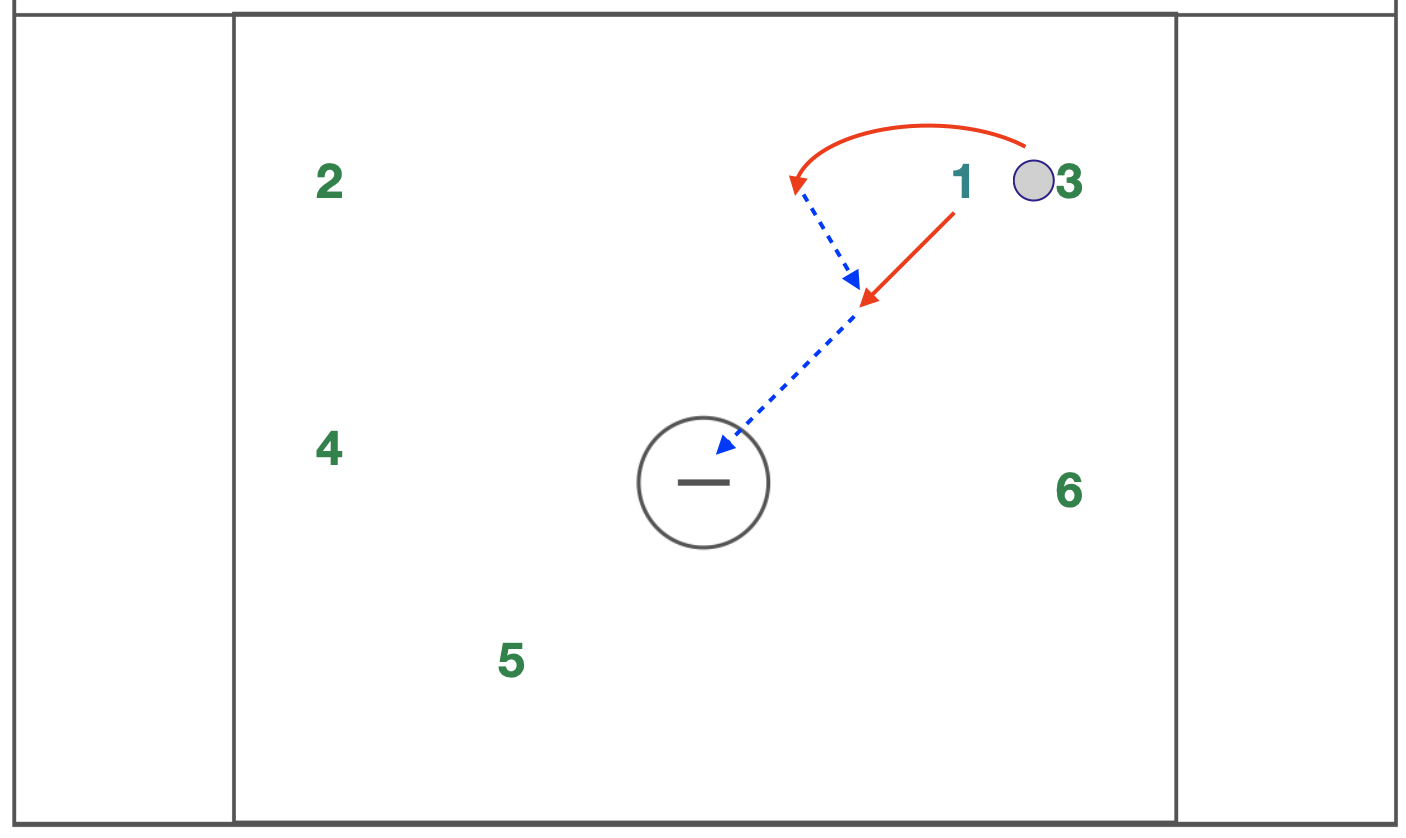
Two-Man Game in Lacrosse: Isolation, Distraction, and Defensive Mismatches
The two-man game in lacrosse offense is a dynamic strategy focused on creating space and exploiting defensive mismatches. By using isolation, distraction, and switching tactics, players can set up high-quality scoring opportunities and disrupt defensive setups.