

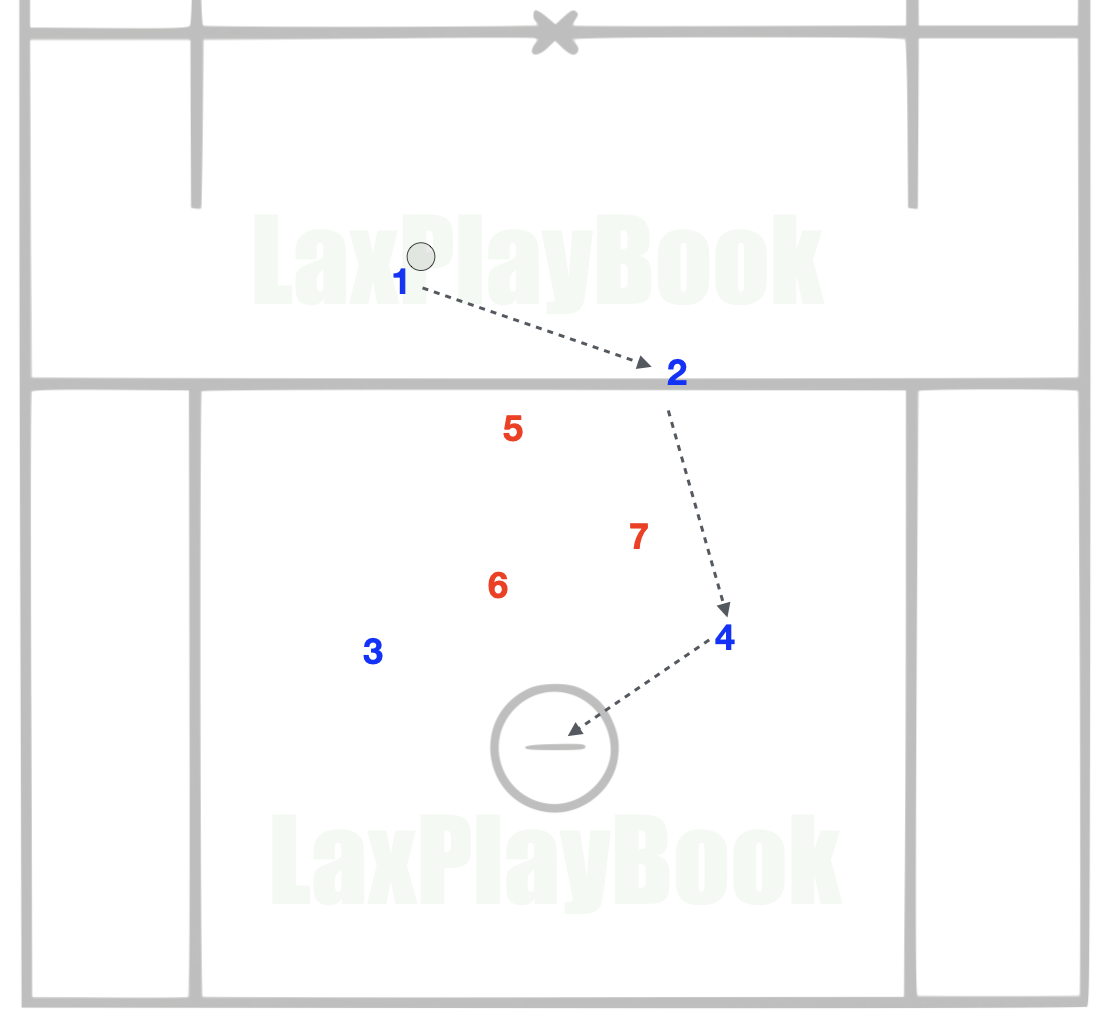
How to Run a 4v3 Fast Break
The 4v3 fast break is one of the purest moments in lacrosse. Four players, three defenders, and a box that cannot be covered. Every player on the field knows an opportunity has just opened up — the question is whether your team is disciplined enough to take it.
Turn Ground balls into Fast Breaks
Ground balls are crucial in lacrosse, and by teaching players to fight for possession with three on-ball and three off-ball in a triangle ready to attack or defend, teams can seamlessly transition into fast-break opportunities. This simple, structured approach reduces chaos, keeps the play fast, and creates scoring chances or defensive stability, requiring only hustle, basic stick skills, and adherence to a few key rules.
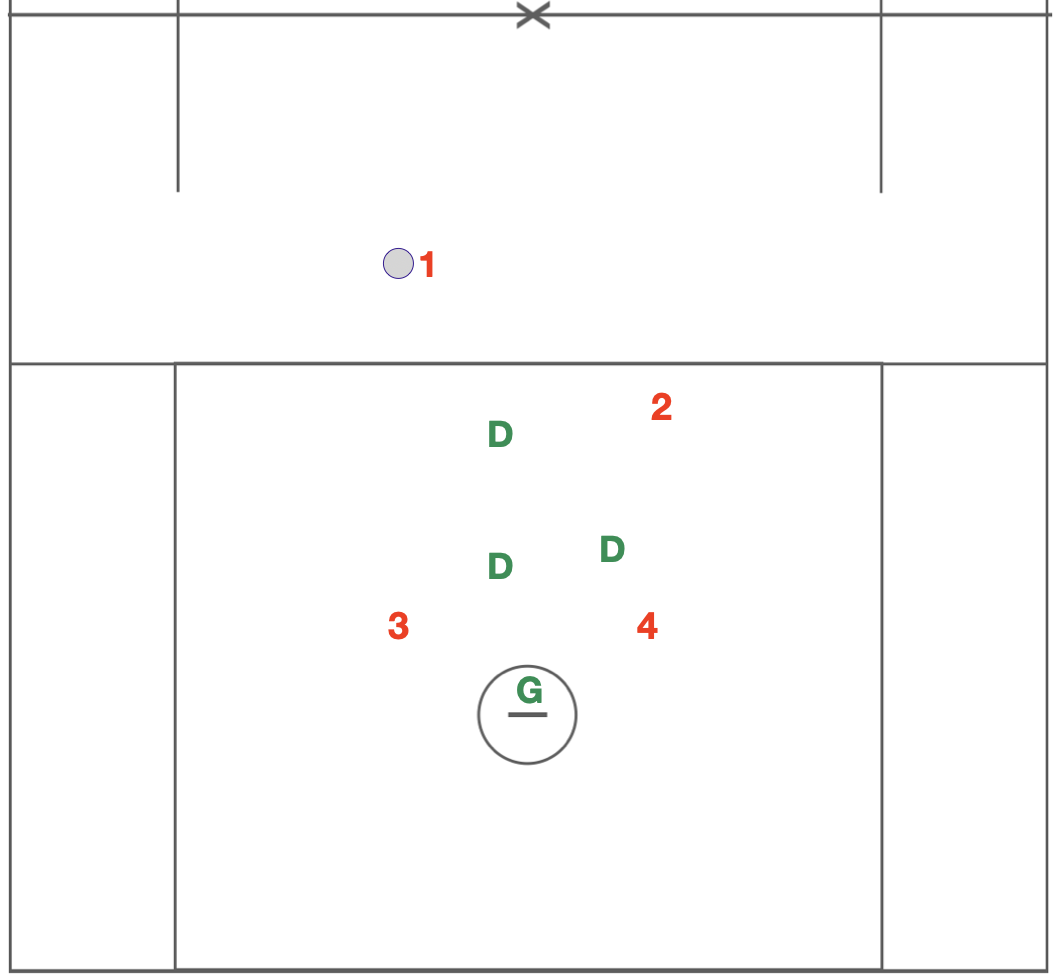
Perfecting the Fast Break in Men's Lacrosse
A fast break in men's lacrosse is a quick 4-on-3 transition where the offense aims to score within 2-3 seconds using minimal passes, precise positioning in an L-formation, and decisive actions to exploit defensive rotations. Success relies on clear communication, sprinting into position, and prioritizing quick, accurate shots.

Attack Rotation Off of a Quick Whistle
Everybody says they like to play fast, but do they have tangible strategies to play faster? One such opportunity is the restart on a face-off whistle. This is typically a time of confusion with the offending player hesitating to get off or sometimes still trying to ask an official the nature of the infraction. Also typically your face off guy will run to the same side of the field each time as they are not always your must skilled offensive midfielder. This is an excellent time to: 1. Play fast creating confusion in the slides as your face off guy can be rewarded by going fast by having a clear path to the goal. 2. Open up outlets for your face off guy coming down with your scores being in a position to score
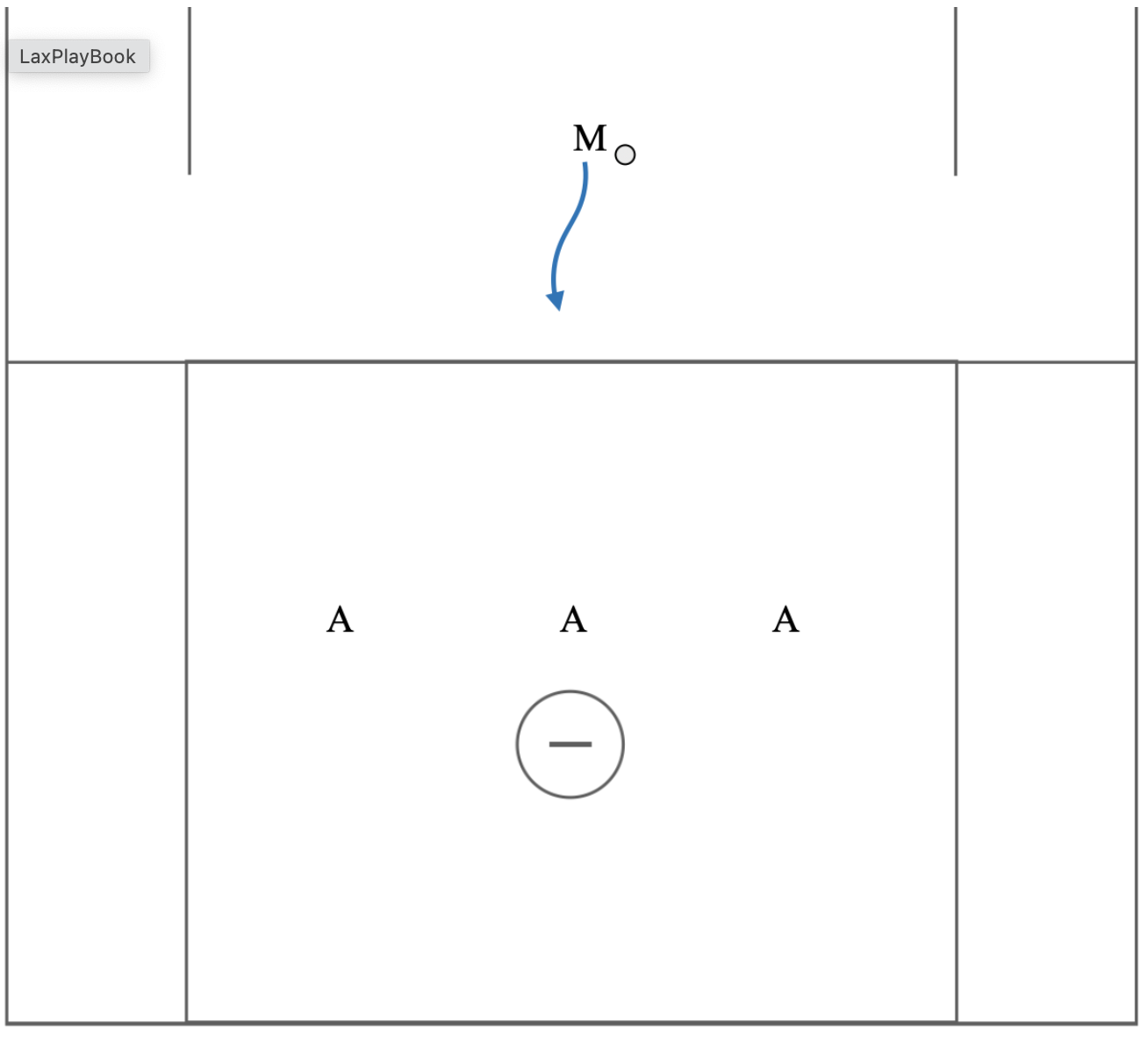
Flat Break
The flat break introduces a strategic departure from the conventional L formation, skillfully disrupting defenses accustomed to the standard approach. This tactical shift complicates matters for defensemen, particularly those used to stopping the ball and then rotating towards the expected first pass.