
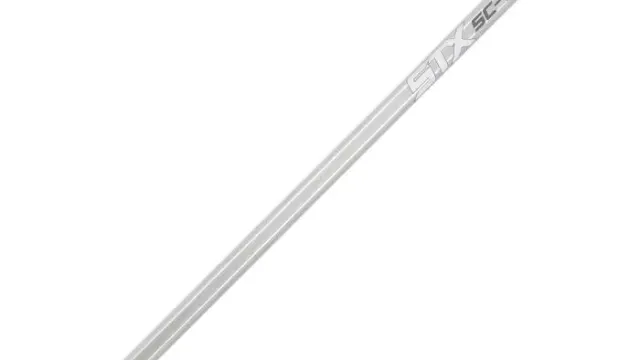
STX Sc-Ti Goalie Lacrosse Shaft
The STX Sc-Ti Goalie Lacrosse Shaft combines Sc-Ti alloy construction with an O-Grip concave octagonal profile and Max Sandblast finish for lightweight control and a secure grip.
Library
Latest coaching articles and tactical notes.
The STX Sc-Ti Goalie Lacrosse Shaft combines Sc-Ti alloy construction with an O-Grip concave octagonal profile and Max Sandblast finish for lightweight control and a secure grip.
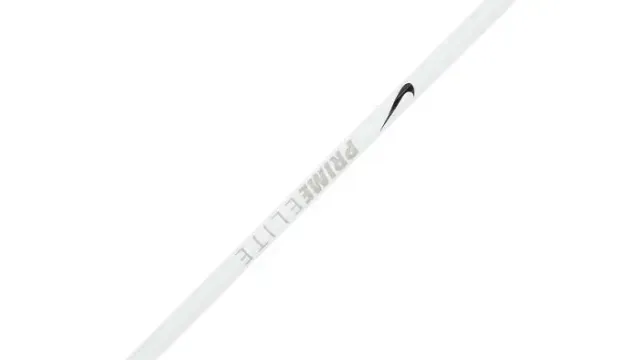
The Nike Prime Elite Goalie Lacrosse Shaft features lightweight Sc-Ti alloy construction, steep concave sides, and an octagonal shape designed for control and feel.
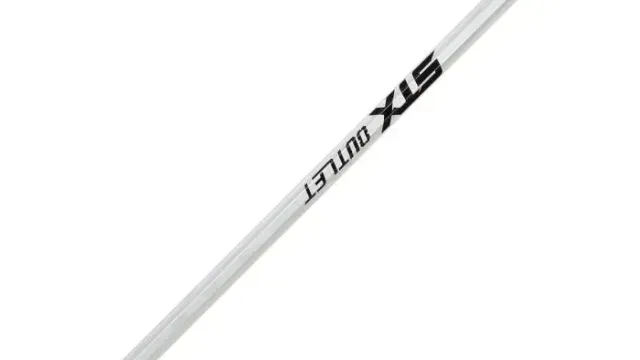
The STX Outlet Goalie Lacrosse Shaft - '25 features durable 7075 alloy construction, a 30-inch length, textured grip zones, and an ergonomic profile designed for goalie stick control.
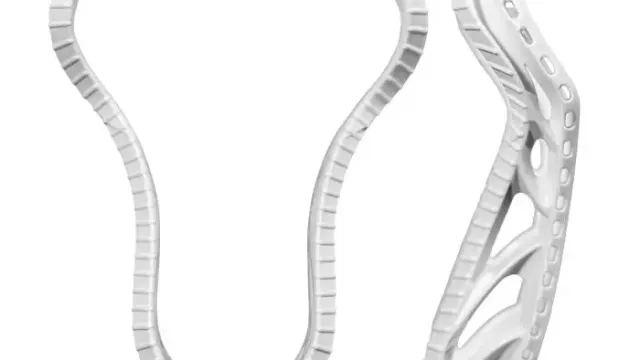
The Gait D2 Men's Unstrung Transition Lacrosse Head combines aggressive checking features with ball control and passing accuracy for players who excel in end-to-end transition play.
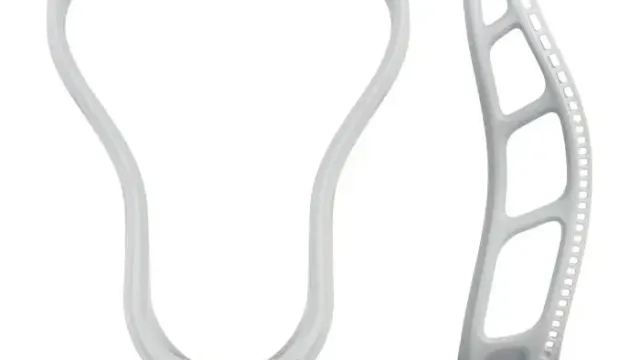
The StringKing Mark 2D is a lightweight, ultra-stiff men's lacrosse head designed for defensive players, featuring a wider face shape, 29 sidewall holes, and a durable construction.
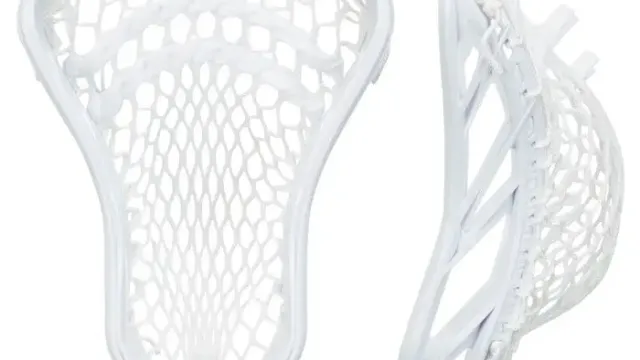
The Maverik Havok 2 Men's Strung Lacrosse Head combines a tighter face shape, updated four-strut design, and mid-high semi-soft mesh pocket for defensive players seeking strength and ball control.
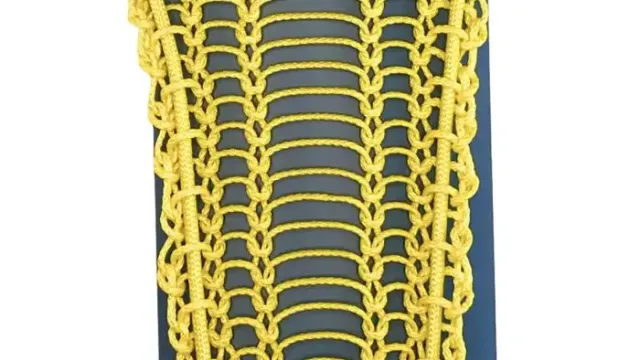
The Armor Lacrosse Valkyrie Women's Lacrosse Runner combines a Precision Center Channel, V-Taper, Free-Flowing Joints, and lightweight waterproof construction for precise ball control and consistent hold.
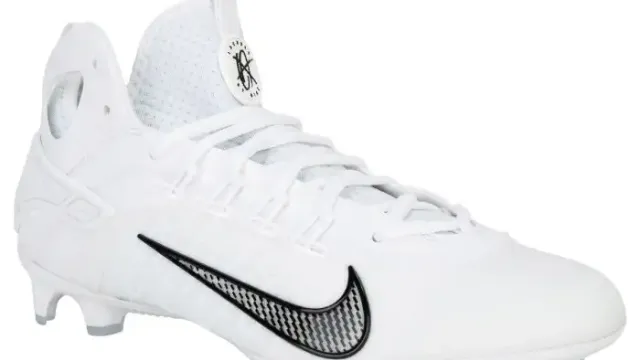
The Nike Huarache 9 Elite Mid Lacrosse Cleats combine multidirectional traction, flexible underfoot construction, Flywire support, and a secure fit for quick, controlled movement on the field.
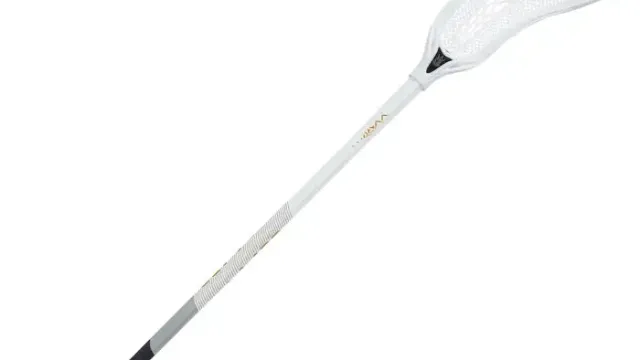
The Brine Dynasty Warp Pro Mid Women's Complete Lacrosse Stick combines Warp pocket technology, true offset, Super V-Scoop, and a lightweight Minimus Carbon shaft for consistent control, accurate passing, and powerful shooting.
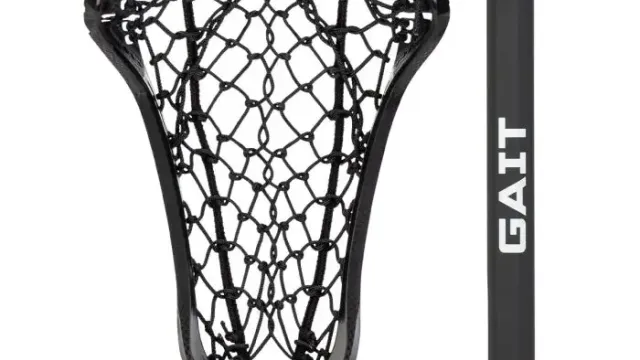
The Gait Whip 2 Women's Complete Lacrosse Stick combines a large front pocket, Curved Offset, double sidewall technology, Flex Mesh, and a carbon shaft for offensive players seeking control and quick releases.
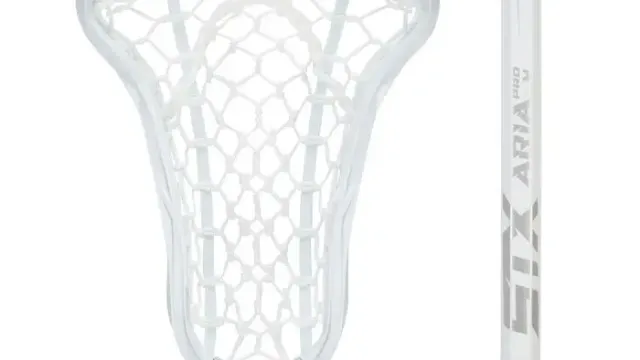
The STX Aria Pro-M Lock Pocket Women's Complete Lacrosse Stick combines an adjustable Lock Pocket™, durable EnduraForm™ construction, Speed Scoop™ technology, and an Aria Pro-M handle for control and reliable performance.
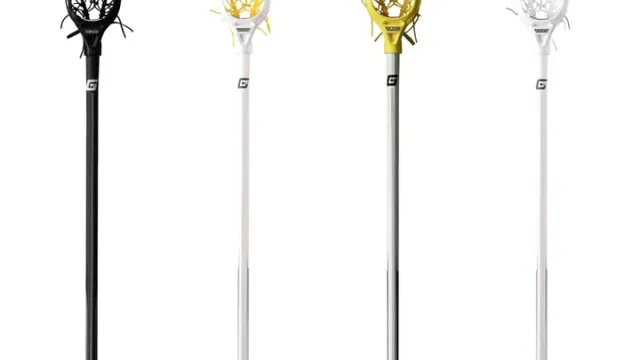
The Gait Apex 2 Composite Complete Women's Lacrosse Stick is designed for midfielders seeking better control, quick releases, and improved maneuverability through a front pocket, curved offset design, updated double sidewalls, and lightweight Air Scoop.