 members
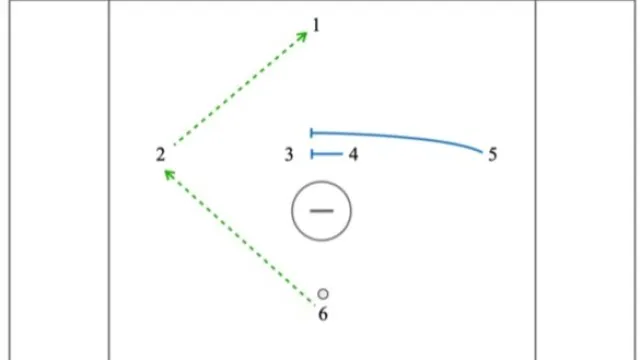
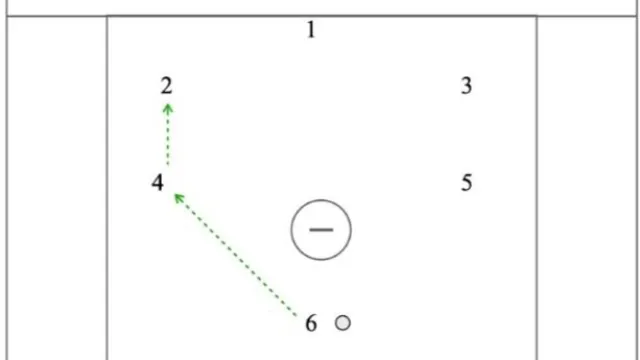
Double Crease Pick Forcing a Defender Switch
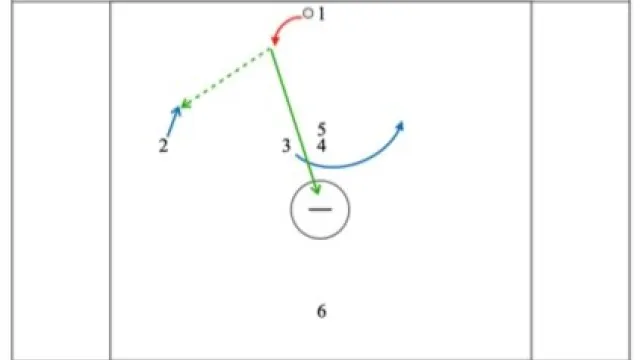
This concept out of a 1-4-1 set is a great way to get the defense to switch a match up and get a player open for a shot close to the crease.
Library section
Offensive sets, man-up looks, rides, spacing, and decision rules for men's lacrosse.
members
This concept out of a 1-4-1 set is a great way to get the defense to switch a match up and get a player open for a shot close to the crease.
 members
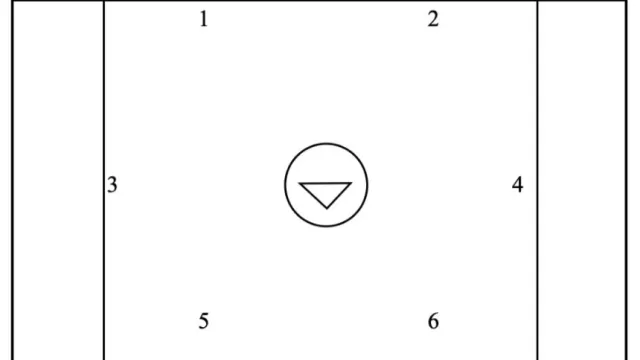
This a great offensive set if you want to run a two man game from up top or behind without having anybody in the crease thereby opening up space and making slides more complicated.
 members
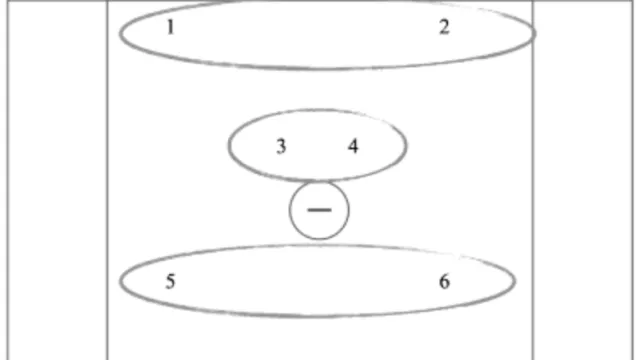
Take your basic 2-2-2 set and envision in 3 sets of 2's. The goal is to have each set of two working together as a team within the team. The thinking here is that it is easier to get in sync with one other person rather than 5 others.
 members
You need to get your best players hands for a good shot with his strong hand. Or maybe you are trying to get the defense to switch the match up. You need this in your playbook!
 members
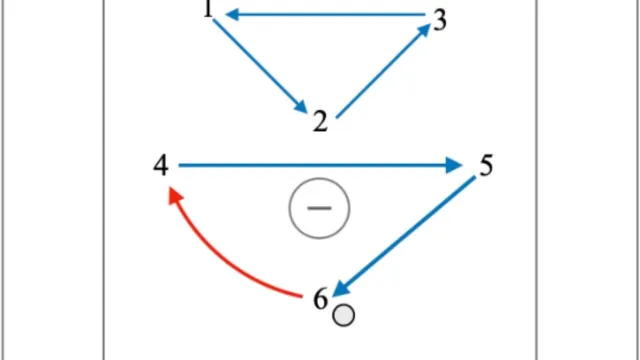
The motion offense thrives with two interlocking triangles, separating midfielders from attackers to confuse defensive slides and create multiple scoring opportunities. By mastering the basics and adding creativity, your team can transform simple plays into dynamic, fluid movements, giving the illusion of an endless playbook while adhering to core principles of spacing and movement.
 members
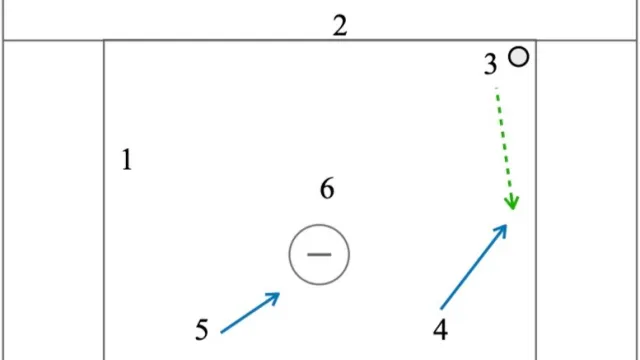
This a great way to pull the defense to one side using a wing dodge with the goal of reversing the field and creating space to feed the crease with.
 members
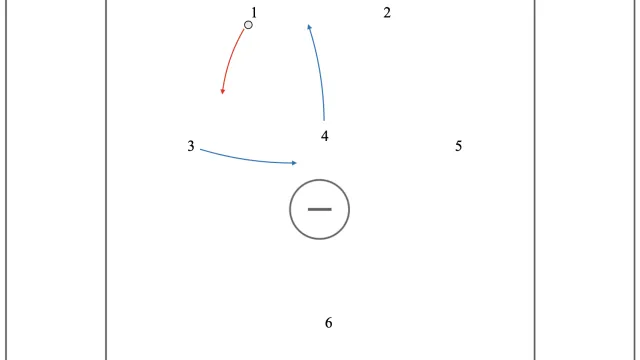
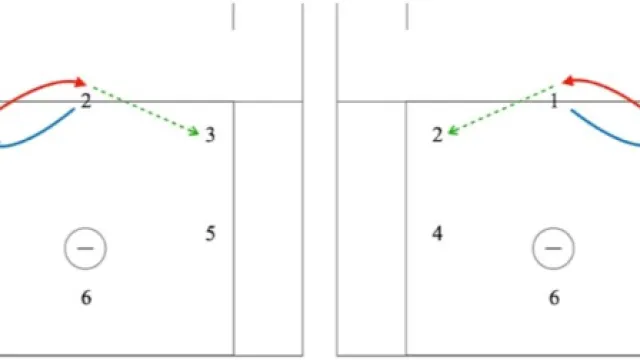
This is an offensive scheme that can be the foundation of an offense at every level. With all the plays and schemes I have seen I have come back to doing this so many times. I figured if my guys could completely master this concept, combined with 2-3 killer plays, I am good to go. This can also be used as a man up scheme too. This premise can also be applied to other sets as shown in a 1-4-1.
 members
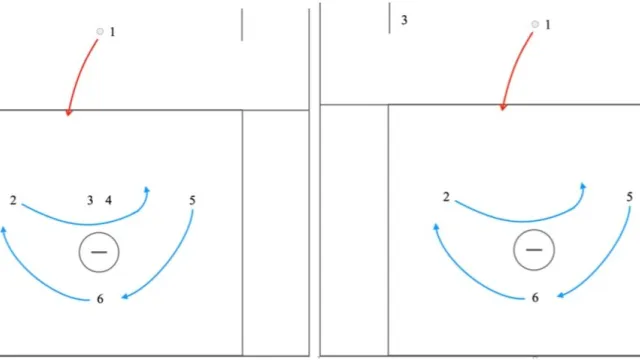
The Settled Weave in lacrosse is a masterclass for handling high-pressure defenses. Imagine weaving through defenders with precision, creating seamless opportunities and maintaining control of the ball. This strategy not only defuses intense pressure but also orchestrates an elegant dance of movement and teamwork, turning chaos into controlled, strategic play.
 members
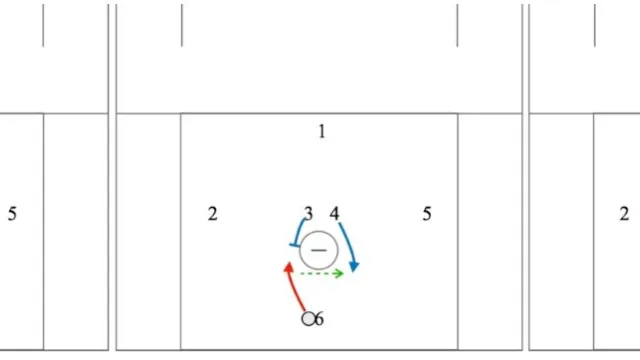
Everybody says they like to play fast, but do they have tangible strategies to play faster? One such opportunity is the restart on a face-off whistle. This is typically a time of confusion with the offending player hesitating to get off or sometimes still trying to ask an official the nature of the infraction. Also typically your face off guy will run to the same side of the field each time as they are not always your must skilled offensive midfielder. This is an excellent time to: 1. Play fast creating confusion in the slides as your face off guy can be rewarded by going fast by having a clear path to the goal. 2. Open up outlets for your face off guy coming down with your scores being in a position to score
 members
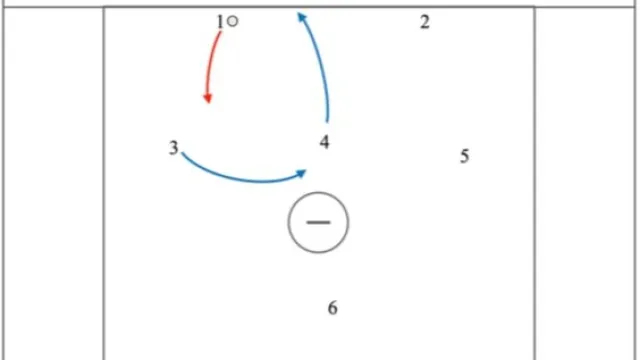
These very simple 2 or 3 man plays are easy to teach, they do not need the full coordination of the entire team and they work. This can work as an inbound play, a subtle call between the dodger and the men in the crease or if done enough can be a natural part of the offense. This is a great play for beginners as it is a very simple 3 man play.
 members
If you teach the triangle motion offense out of a 2-3-1 set, (2middies up top) this could be a nice extra wrinkle that incorporates a pick.
 members
Beating a zone is all about getting the defense to move and then finding the open space to fill into for a shot. This play causes a lot of confusion for a few reasons