LaxPlaybook LaxPlaybook

Library section

Men's Lacrosse Offense

Offensive sets, man-up looks, rides, spacing, and decision rules for men's lacrosse.

Side Diamond Wheel members

Side Diamond Wheel

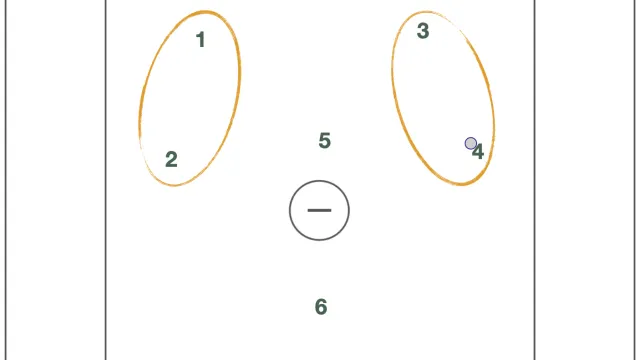
A 4-man wheel on the side in man-up offense forces the defense to rotate, communicate, and cover multiple moving players, increasing the chances of a missed slide or an open shooter. The constant movement creates better passing angles, skip lanes, and shooting opportunities, making it harder for the defense to stay organized and react in time.

Half Triangle Rotation members

Half Triangle Rotation

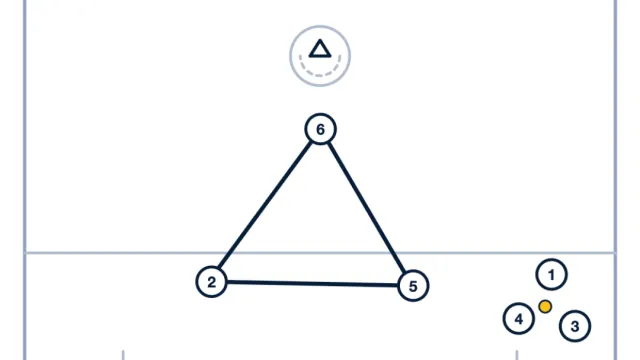
Shifting offensive sets—moving from no men in the crease to two, then to one—can create confusion for a zone defense, but it often disrupts the offense as well. Using half rotations within the midfield and attack triangles simplifies movement, keeping the offense fluid while forcing the defense to adjust without unnecessary confusion.

Follow Curl Crease Pick members

Follow Curl Crease Pick

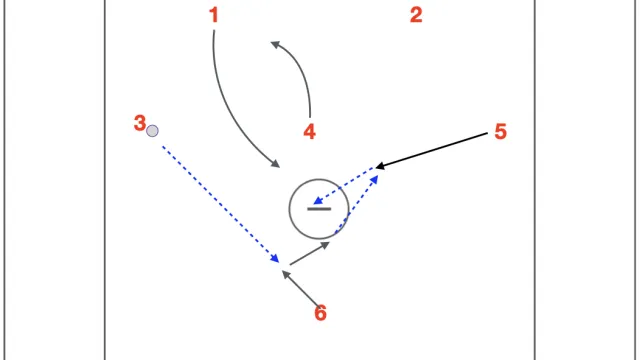
This inbound play forces the defense to react to multiple moving pieces, creating a high-percentage shot opportunity off a well-timed pick while maintaining spacing and ball movement. With built-in secondary options—like a backdoor cut, outside shot, or crease slip—it keeps defenders guessing and maximizes scoring chances.

Pull and Reverse members

Pull and Reverse

A 2-2-2 man-up play uses precise ball movement and synchronized off-ball rotations to force defensive adjustments, creating gaps for cutters and wide-open shooters. The structure ensures constant offensive options, with built-in resets that maintain spacing and pressure on the defense.

Double Triangles High & Low members

Double Triangles High & Low

Running a man-up offense with a midfield triangle rotating together and an attack triangle rotating together forces the defense to constantly adjust, creating natural overloads, 2v1 situations, and open passing lanes. This structure maintains spacing, facilitates quick ball movement, and naturally generates picks and seals, making it easier to exploit defensive breakdowns for high-percentage scoring opportunities.

Forcing the Short Stick to be the first slide members

Forcing the Short Stick to be the first slide

Maryland’s 1-4-1 offensive strategy isolates short sticks up top while positioning the second short stick as the first slide, repeatedly neutralizing the long poles and exploiting favorable matchups. By quickly resetting and recreating this scenario, they ensure constant pressure on the defense, making it an effective approach for teams with dodgers who struggle against long poles.

Turn Ground balls into Fast Breaks members

Turn Ground balls into Fast Breaks

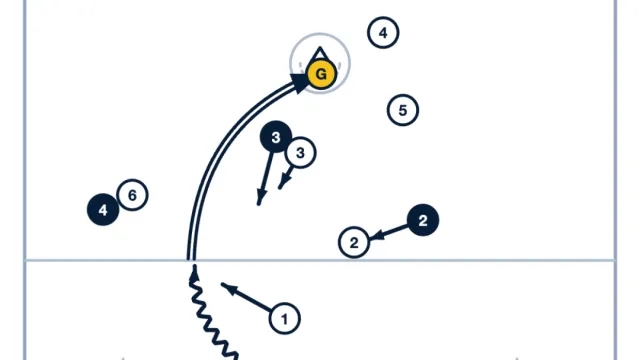
Ground balls are crucial in lacrosse, and by teaching players to fight for possession with three on-ball and three off-ball in a triangle ready to attack or defend, teams can seamlessly transition into fast-break opportunities. This simple, structured approach reduces chaos, keeps the play fast, and creates scoring chances or defensive stability, requiring only hustle, basic stick skills, and adherence to a few key rules.

Perfecting the Fast Break members

Perfecting the Fast Break

A fast break in men's lacrosse is a quick 4-on-3 transition where the offense aims to score within 2-3 seconds using minimal passes, precise positioning in an L-formation, and decisive actions to exploit defensive rotations. Success relies on clear communication, sprinting into position, and prioritizing quick, accurate shots.

About the 2-2-2 Offensive formation members

About the 2-2-2 Offensive formation

The 2-2-2 offense in men's lacrosse is a balanced and versatile setup with two players up top, two on the crease, and two behind the goal, creating space and opportunities through coordinated motion and teamwork. By leveraging dodging, effective off-ball movement, and seamless transitions into other formations, this strategy puts constant pressure on defenses, generating high-percentage scoring chances.

Cut Fill Look Backside members

Cut Fill Look Backside

This Men’s Lacrosse Man Up play effectively forces the defense to rotate and adjust, creating gaps and confusion in their formation. By drawing attention to the cutter and crease movements, it opens up high-percentage scoring opportunities for the opposite wing.