
 members
2-3-1 Side Pop
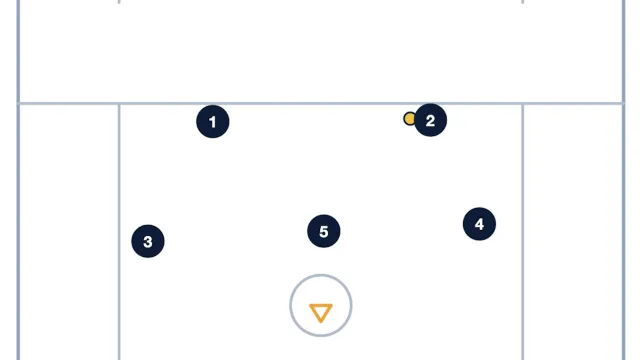
Learn the 2-3-1 side pop, an offensive concept that uses movement from the crease to create space, change defensive matchups, and open passing options.
Category
Men's Lacrosse Offense content filed under 2-3-1 Set.
members
Learn the 2-3-1 side pop, an offensive concept that uses movement from the crease to create space, change defensive matchups, and open passing options.
 members
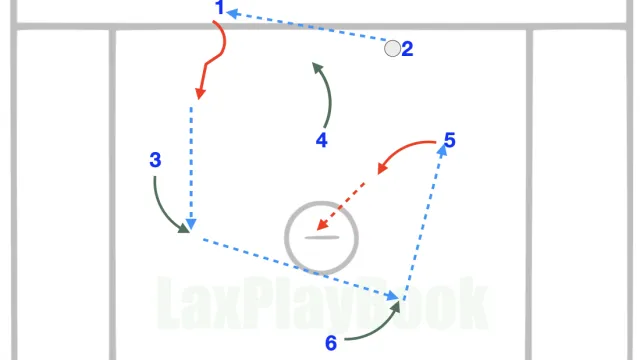
This uses a high alley dodge to shift the defense and create a wide-open weak-side shot. A team with a decent LAX IQ can incorporate into their offense naturally with a call.
 members
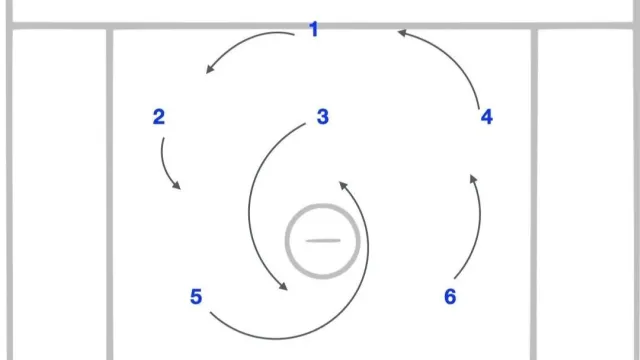
Transitioning to a 2-3-1 alignment forces the top defenders to widen out, cracking open the middle of the field for cleaner skip lanes and high-quality step-down shots. By altering the attack geometry, you disrupt established defensive rotations and isolate the single player behind the net to quarterback the offense with significantly less pressure.
 members
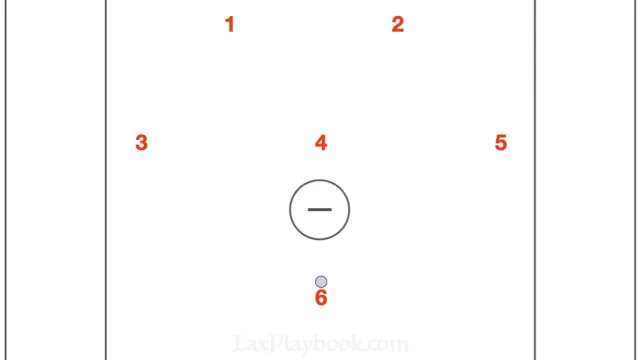
Ever heard one coach call it a 2-3-1 and another insist it's a 1-3-2? Here's why the naming debate exists—and why many modern lacrosse coaches are rethinking formations altogether in favor of more flexible, principle-based systems.
 members
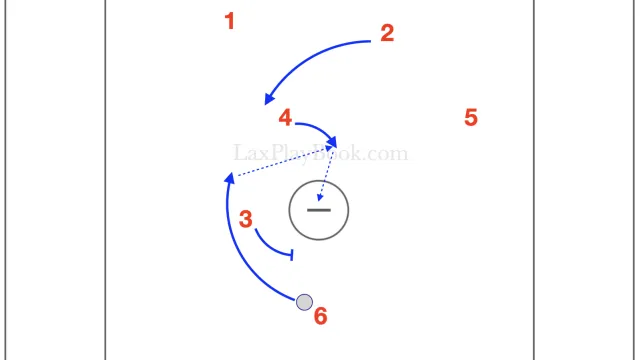
This lacrosse offense strategy excels by creating confusion among defenders, forcing them to make split-second decisions as they juggle multiple responsibilities. The simultaneous actions of dodging, cutting, and setting picks dilute defensive focus and coordination, increasing the likelihood of offensive breakthroughs.
 members
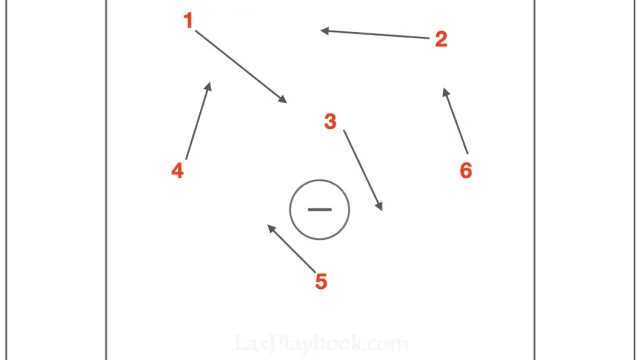
Starting a man-up offense with one player behind the goal (X) forces the defense to respect the feeding threat and maintain their initial setup. Once the play begins and everyone moves above GLE, it disrupts defensive rotations, creates better shooting angles, and increases the chances of an open look.
 members
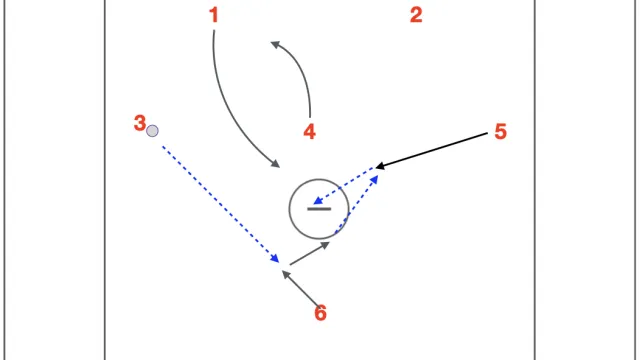
This Men’s Lacrosse Man Up play effectively forces the defense to rotate and adjust, creating gaps and confusion in their formation. By drawing attention to the cutter and crease movements, it opens up high-percentage scoring opportunities for the opposite wing.
 members
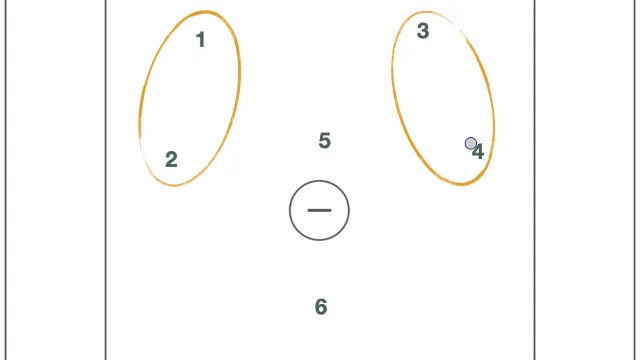
This versatile lacrosse offense combines a crease player, an X "quarterback," and two-man games on the wings to create multiple scoring threats, making it hard for defenses to cover all areas. By balancing individual skill and coordinated movement, it keeps defenders engaged and adaptable to exploit any defensive weaknesses.
 members
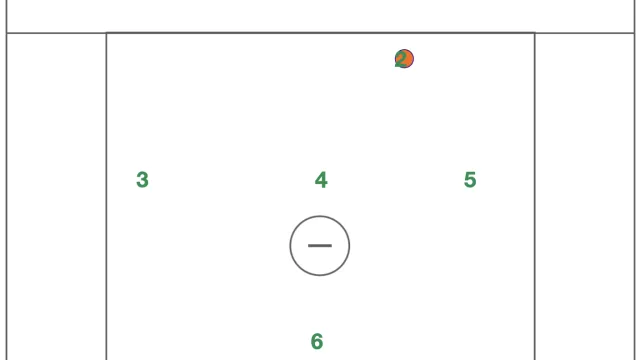
The core strategy of this play is to shift the defense to one side, allowing the offense to exploit the weak side by quickly moving the ball and using screens to create space for a scoring opportunity. By setting picks and reversing the field, the offense aims to free up a player to catch the ball and take a shot with minimal defensive pressure.
 members
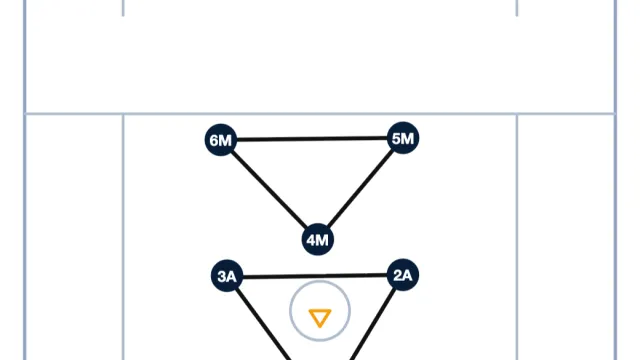
The 2-3-1 motion offense uses coordinated movement, clearing, and replacing to create scoring opportunities while giving players multiple options from each position.
 members
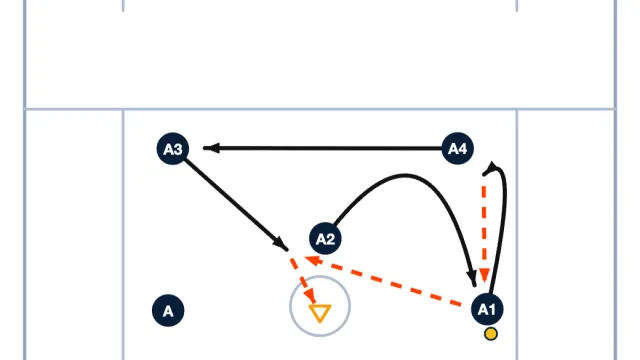
The Man Up 2-3-1 creates movement by taking the ball away from the cage before quickly reversing it back. A crease exchange and diagonal cut then create an opportunity for a quick pass and shot from the crease area.
 members
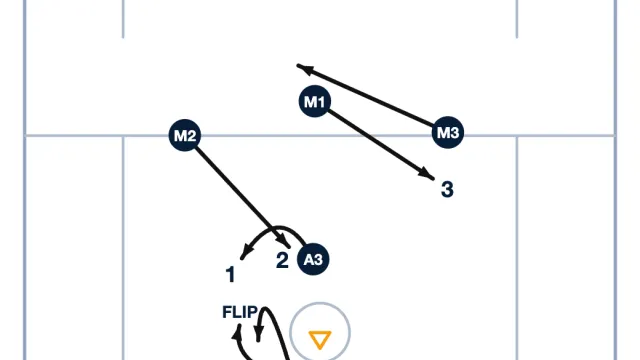
The North Star play uses a 2-3-1 formation, a wing dodge, attack exchange, crease pick, and multiple passing options to create quick scoring opportunities.