LaxPlaybook LaxPlaybook

Library section

Women's Lacrosse Rules

Women's rules references and game-management notes.

Categories

No categories are configured for this section.

Illegal pick
Women's Lacrosse Rules members

Illegal pick

An illegal pick in girls' lacrosse occurs when a player improperly sets a screen by moving, positioning too closely, blocking a defender's blind side without warning, or making physical contact. Understanding and executing legal picks ensures fairness and safety while helping teams effectively create scoring opportunities.

Tactical Fouls in Women's Lacrosse: Strategies and Consequences
Women's Lacrosse Rules members

Tactical Fouls in Women's Lacrosse: Strategies and Consequences

Women's lacrosse is an exciting, fast-paced sport that involves not only skill and agility but also complex game strategies. While some strategies are essential for gaining a competitive edge, others can cross into the realm of tactical fouls—infractions deliberately committed to manipulate the game’s flow or disrupt the opponent's progress. In this article, we explore the most common tactical fouls in women's lacrosse, their examples, and the penalties they carry, helping players and coaches understand how to navigate these situations responsibly.

Minor Fouls in Women's Lacrosse: Rules and Consequences
Women's Lacrosse Rules members

Minor Fouls in Women's Lacrosse: Rules and Consequences

Women's lacrosse is a fast-paced sport that requires technical skills, agility, and teamwork. While major fouls are vital for player safety, minor fouls also play a crucial role in maintaining the flow and fairness of the game. Although less severe than major fouls, these infractions can still affect the course of play. In this article, we will explore some of the most common minor fouls in women’s lacrosse, providing examples and detailing the penalties associated with each one.

the "Covering" Rule in Women’s Lacrosse
Women's Lacrosse Rules members

the "Covering" Rule in Women’s Lacrosse

In women's lacrosse, the covering rule prohibits players from using their stick, body, or foot to cover the ball, prevent others from picking it up, or flick it into their stick using the back of the mesh. Violating this rule, such as raking or skimming over the ball to control it, results in a minor foul.

The 8-Meter Restricted Area in Women’s Lacrosse
Women's Lacrosse Rules members

The 8-Meter Restricted Area in Women’s Lacrosse

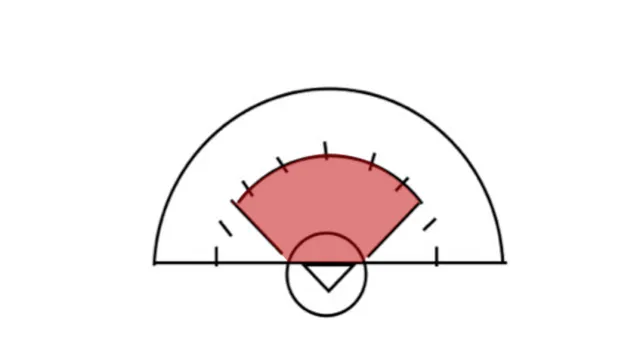
The 8-meter restricted area is one of the most crucial zones in women’s lacrosse. It protects the critical scoring area and ensures that defenders do not illegally obstruct attackers. Understanding how this zone functions is key to grasping the dynamics of both offense and defense in the game.

The 10-Second Rule to Cross the Midfield Line
Women's Lacrosse Rules members

The 10-Second Rule to Cross the Midfield Line

The 10-second rule to cross the midfield line in women’s lacrosse ensures that the game stays fast-paced and dynamic. This rule requires teams to move the ball forward quickly and have an efficient strategy to avoid losing possession.

Shot Clock and Possession Time in Women’s Lacrosse
Women's Lacrosse Rules members

Shot Clock and Possession Time in Women’s Lacrosse

The shot clock rule in women’s lacrosse is essential for maintaining a fast-paced and fluid game. Similar to other sports, this rule forces teams to make quick and decisive attacks, preventing them from holding the ball without attempting to score.

Essential Rules for a Legal Stick in Women’s Lacrosse
Women's Lacrosse Rules members

Essential Rules for a Legal Stick in Women’s Lacrosse

A legal stick in women’s lacrosse must meet specific regulations, particularly regarding the pocket depth and stringing. The pocket depth rule varies based on the age group, with stricter limits for higher levels of play. The top of the ball must remain visible when pressure is applied to the pocket, and shooting strings should be within the top section of the head. The stick’s overall length and head dimensions are also regulated, ensuring fairness in gameplay and preventing any illegal advantages.​

Understanding Shooting Space in Women’s Lacrosse: Key Rules and Tactics​
Women's Lacrosse Rules members

Understanding Shooting Space in Women’s Lacrosse: Key Rules and Tactics​

The shooting space rule in women’s lacrosse is crucial for safety, preventing defenders from entering the path of a shot. This rule applies when the ball is in the critical scoring area and the attacker is preparing to shoot. Defenders must avoid the shooting space unless they are actively marking the attacker within one stick length. Violations of this rule lead to an 8-meter free position shot for the attacker, with the defender repositioned behind them.​

Understanding Legal Stick Specifications and Stick Checks in Women’s Lacrosse
Women's Lacrosse Rules members

Understanding Legal Stick Specifications and Stick Checks in Women’s Lacrosse

Understanding what makes a stick legal in women’s lacrosse is essential to avoid penalties during a game. Players must ensure their sticks meet the correct length, pocket depth, shooting string placement, and head width specifications. Coaches can request stick checks during the game, and if a stick is found illegal, it could result in an immediate turnover or a disallowed goal. Regularly checking and maintaining equipment can help players stay compliant with the rules and avoid these penalties.​

Serious Fouls in Women's Lacrosse: Rules and Consequences
Women's Lacrosse Rules members

Serious Fouls in Women's Lacrosse: Rules and Consequences

Women's lacrosse is a thrilling and dynamic sport that demands a combination of skill, speed, and teamwork. However, to maintain player safety and the integrity of the game, strict rules are enforced, especially concerning serious fouls. These fouls are those that either put players at risk of injury or disrupt the flow of the game significantly. In this article, we’ll explore some of the most critical fouls in women’s lacrosse, detailing their consequences and insights from expert coaches to understand these infractions better.

Offside Rules in Women's Lacrosse: Key Points, Tactics, and Enforcement
Women's Lacrosse Rules members

Offside Rules in Women's Lacrosse: Key Points, Tactics, and Enforcement

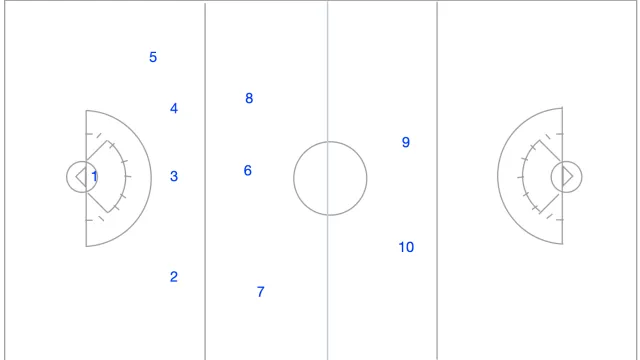
The offside rule in women’s lacrosse ensures that no more than 7 players, including the goalkeeper, are in the offensive half, and no more than 8 in the defensive half. If a team violates this rule, they lose possession of the ball, or the opposing team may receive a free position. The rule is crucial for maintaining field balance, enhancing strategic play, and preventing congestion. Referees strictly enforce this to ensure the flow of the game remains uninterrupted and fair.​