
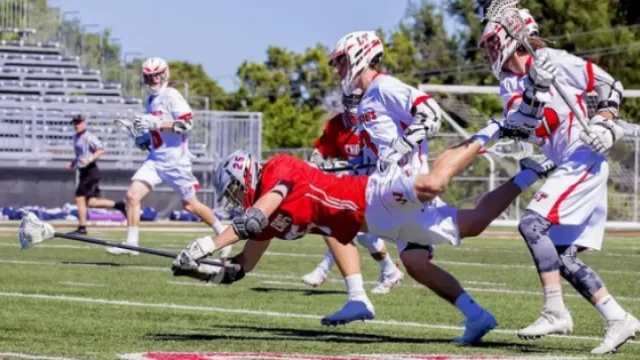
Lacrosse Penalties and Fouls: A Complete Men’s, Women’s and Youth Guide
Lacrosse penalties vary significantly between men’s, women’s and youth lacrosse. Learn what common fouls mean, how penalties are enforced, and what players need to know in 2026.
Category
Men's Lacrosse Rules content filed under Technical, Personal.
No additional categories overlap this set.
Lacrosse penalties vary significantly between men’s, women’s and youth lacrosse. Learn what common fouls mean, how penalties are enforced, and what players need to know in 2026.
 members
Knowing the key rules of men's lacrosse is essential for any new coach to guide their team safely and confidently. This article breaks down the most important rules clearly, helping you avoid costly mistakes and confusion on game day. Staying informed ensures you can coach smarter, protect your players, and build a winning culture from day one.
 members
Cross-checking is a common yet dangerous penalty in men's lacrosse, occurring when a player uses the shaft of their crosse to push or strike an opponent recklessly or illegally. This article explains what cross-checking is, how to avoid it, and the penalties associated with this foul, which is designed to protect player safety and maintain the flow of the game.
 members
In men's lacrosse, one of the most common fouls is "holding," which refers to when a player illegally grabs, holds, or restricts the movement of an opponent or their crosse. This article explores the different types of "holding" in lacrosse, from holding a player to restricting an opponent's crosse, and outlines the consequences of each infraction. Understanding these rules and penalties is crucial to maintaining player safety and ensuring fair play.
 members
Tripping is a common foul in lacrosse, occurring when a player uses their stick, body, or equipment to cause an opponent to fall. While it can be easily avoided with the right techniques, it remains a penalty that results in time penalties. In this article, we break down what tripping is, when it’s penalized, and how players can prevent this foul during the game.
 members
In men's lacrosse, one of the most serious fouls is slashing, which occurs when a player swings their crosse recklessly or with intent to injure. In this article, we'll explore what constitutes a slash, the types of illegal swings, and the penalties associated with this dangerous foul that can affect player safety and the flow of the game.
 members
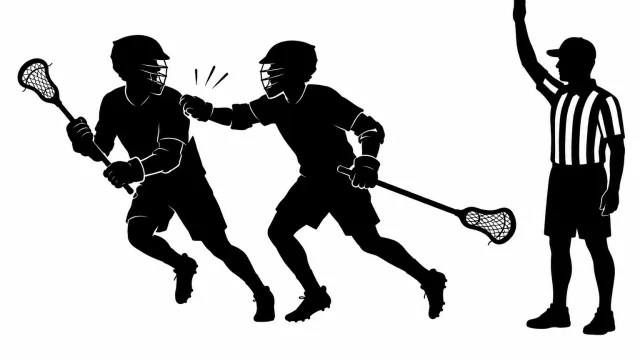
The warding off rule is crucial for ensuring fair play in lacrosse and preventing offensive players from unfairly gaining an advantage by using their free hand or body to push away defenders. This article explains what warding off is, how to recognize it, and how officials should enforce the rule according to NFHS (National Federation of High Schools) standards.
 members
In lacrosse, the term "pushing" refers to a foul that occurs when a player illegally pushes their opponent, usually from behind, causing them to lose balance or putting them in a vulnerable position. This rule is essential for protecting player safety and ensuring fair gameplay. Discover the details about this infraction, when it is penalized, and the consequences associated with it in various lacrosse leagues.
 members
In men’s lacrosse, substitutions occur on-the-fly through the substitution box, allowing players to enter and exit without stopping play, as long as they follow the one-off, one-on rule to maintain no more than 10 players on the field. Violations, such as too many players on the field or exiting outside the substitution box, result in penalties that can disrupt the game.
 members
In men’s lacrosse, the face-off is a crucial play governed by strict rules to ensure fair play. Knowing the rules, referee signals, and common penalties in face-offs is essential for avoiding sanctions and maintaining competitive balance. This article explores the main rules and penalties in this fundamental play.
 members
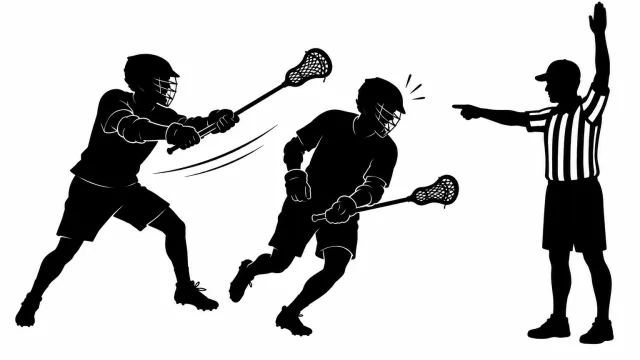
Slashing in men’s lacrosse is a personal foul where a player swings their stick with reckless or violent intent, making contact with an opponent’s body or stick. It can be called even if no contact is made, depending on the severity of the swing. This penalty results in 1-3 minutes in the penalty box, and the penalized team plays a man down. Slashing is common in youth lacrosse, as players often lack the stick control needed to avoid these infractions.
 members
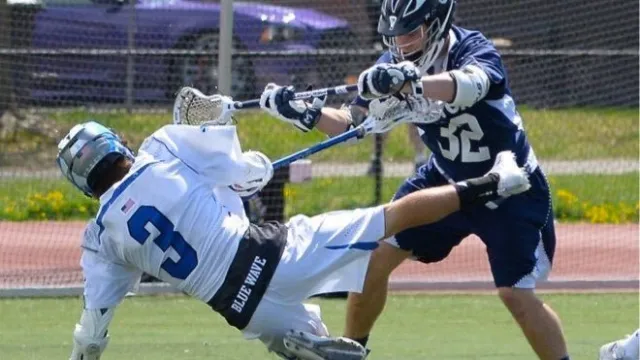
In men’s lacrosse, a cross-check occurs when a player uses the shaft of their stick to strike or push an opponent between their hands, which is illegal. Referees call it differently across levels—strictly in youth leagues for safety, while higher levels like college and professional lacrosse allow more physical play, so long as it’s controlled and not excessive.