
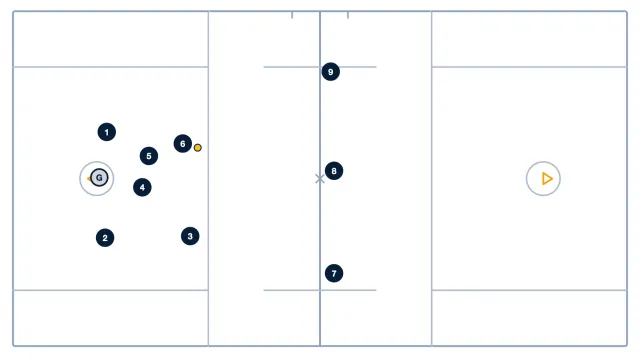
Break Out After Shot
Learn how to execute a Breakout After a Shot in lacrosse. Help players create passing outlets, move into open space, and transition quickly from defense to offense.
Category
Men's Lacrosse Defense content filed under Defensive Concepts.
Learn how to execute a Breakout After a Shot in lacrosse. Help players create passing outlets, move into open space, and transition quickly from defense to offense.
 members
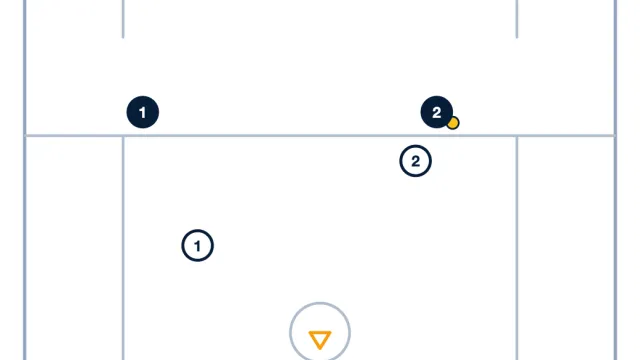
The paint is the area defenders use to protect the middle of the field. When you're guarding the ball, you can step outside it. When you're off ball, you should stay inside it and be ready to help.
 members
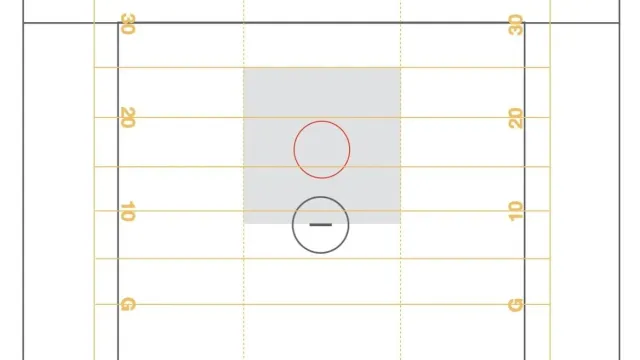
I had a very athletic defense with a very low lax IQ. They understood how to get after the ball carrier, press and stay on their bottom hand. But they did not understand off-ball team defensive concepts. Thus I created a few Defensive concepts they could follow regardless if we were in a zone, man to man or even man down.
 members
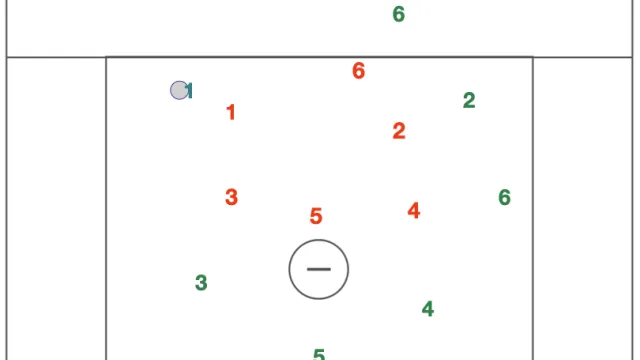
In men’s lacrosse, when there’s no offensive player in the crease, the first slide in a man-to-man defense should come from the adjacent defender to the on-ball defender, providing immediate support. The second slide follows from the next adjacent defender or the recovering defender, ensuring all offensive players remain covered. Strong communication, quick recognition, and coordinated movements are key to executing these slides effectively.
 members
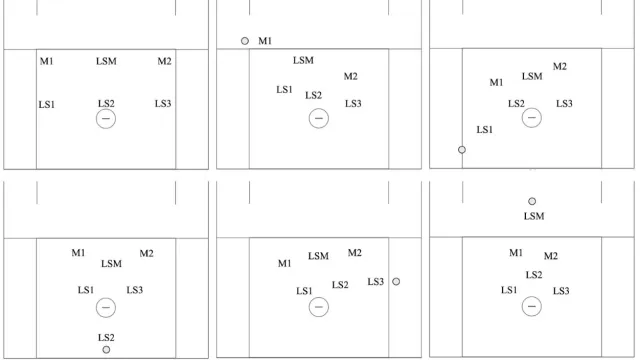
The 3-3 zone in men’s lacrosse is a fundamental defensive strategy that positions three players across the top and three across the bottom of the field. Each defender in men’s lacrosse is responsible for their zone while also supporting their adjacent teammates. This setup simplifies slide packages, making it easier for men’s lacrosse players to understand and execute. While effective, the 3-3 zone in men’s lacrosse can be vulnerable to offensive overloads, requiring quick defensive rotations. Key principles like staying topside help defenders control shooting angles and protect the goal more effectively in men’s lacrosse.
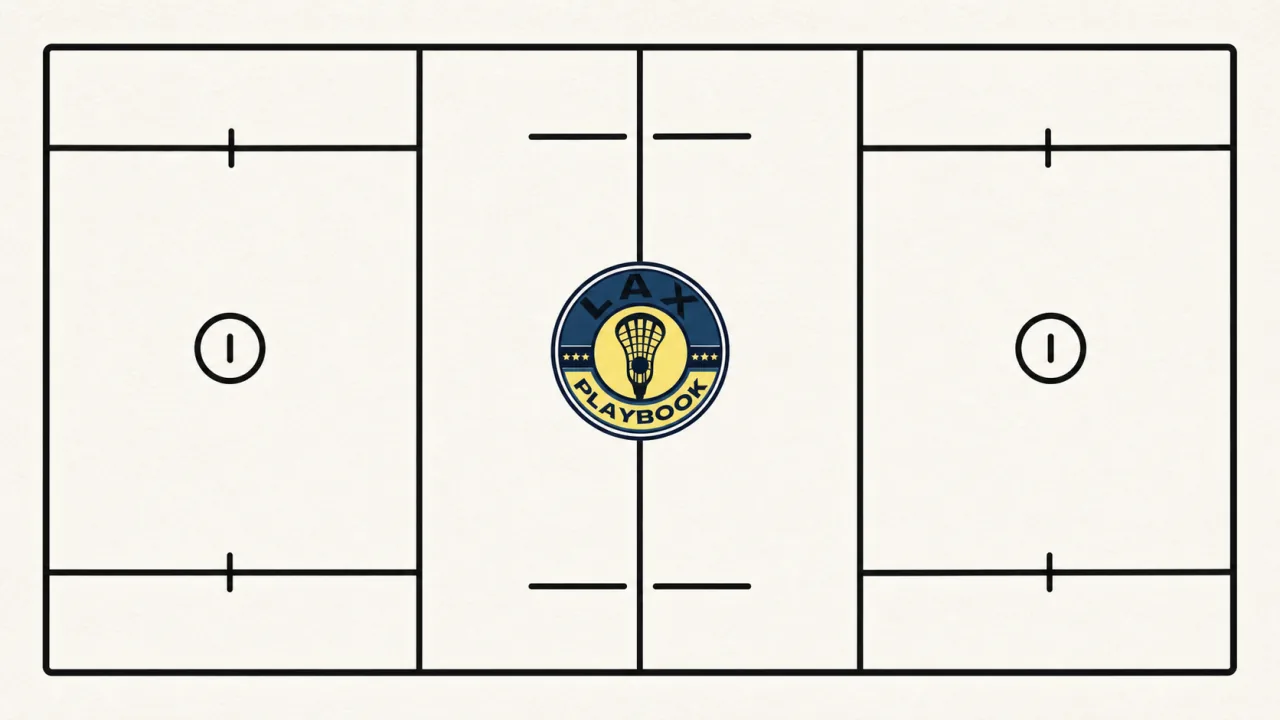
Employing a zone defense in lacrosse can strategically neutralize matchup disadvantages, limit opponent preparation, and control game pace.
The adjacent slide is a key lacrosse defense tactic where a nearby defender provides quick support to a teammate under pressure. This guide covers when to use it, how to execute it, and how to teach it, ensuring better communication and positioning to shut down offensive threats
 members
In lacrosse, the crease slide and adjacent slide are two key defensive strategies. A crease slide involves a defender near the crease sliding out to help stop an attacker, ideal for protecting the middle of the field and preventing close-range shots. In contrast, an adjacent slide provides quicker help from the closest defender, best for defending perimeter dodges and well-spaced offenses. Both have their advantages and are used in different scenarios, depending on the offensive setup and defensive needs. Understanding when and how to use each can greatly improve a team’s defensive effectiveness.
 members
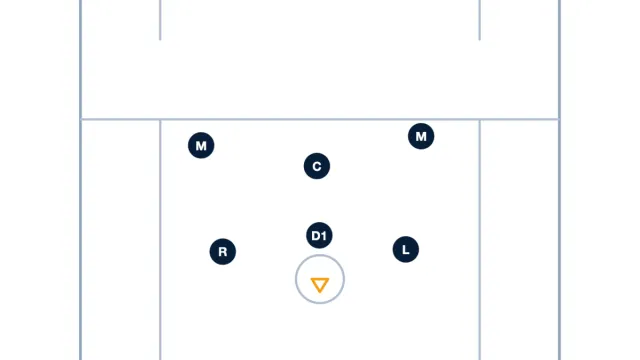
Learn the Zebra Pressure Zone for men's lacrosse, including the 2-2-2 formation, rotations, crease help, backer rules, and defensive communication.
 members
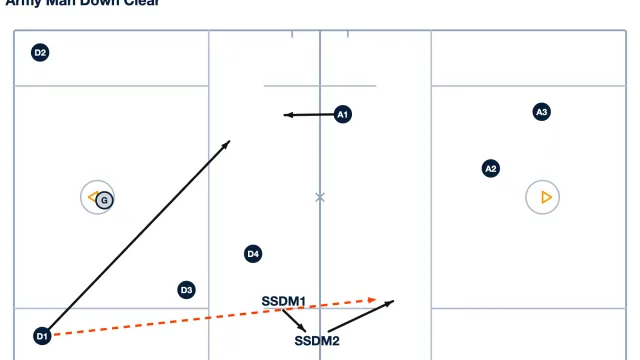
The Man Down Clear uses a specific alignment to help a short-handed defense move the ball upfield. With defined positions for the defenders, short-stick defensive midfielders, and attackmen, the setup creates multiple passing options immediately after the whistle.
 members
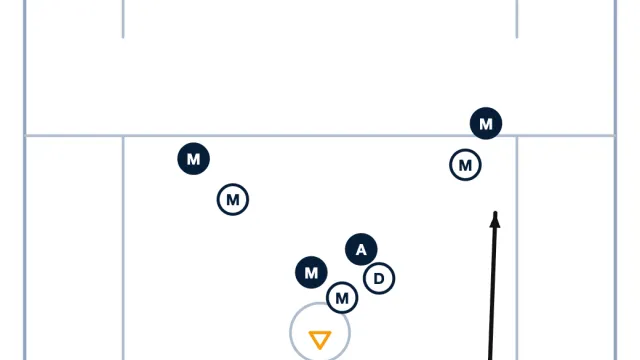
“Close the Gate” teaches defenders to use positioning, body leverage, and communication to keep the ball carrier away from the middle. By protecting the gate and keeping defenders connected to the hole, the defense can force outside dodges and create shorter, more predictable slides.
 members
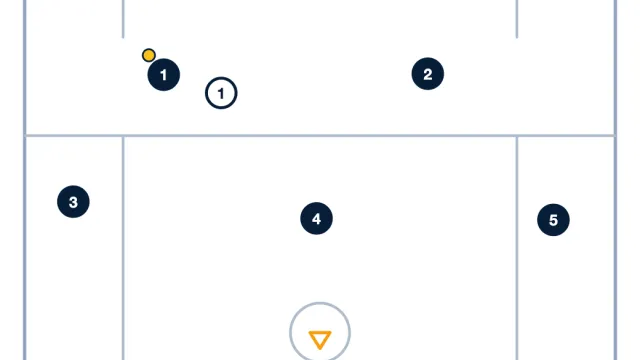
Learn how the 2-3-1 lacrosse slide package works when defenders protect the top side. Improve slides, passing lane coverage, communication, and recovery.