

The Goal Circle Rule in Women's Lacrosse: What Players Can and Cannot Do
Learn women's lacrosse goal circle rules, including goalkeeper privileges, attacker restrictions, defensive exceptions, and common violations.
Category
Women's Lacrosse Rules content filed under Change of Possession, Free Position, Penalty Time.
No additional categories overlap this set.
Learn women's lacrosse goal circle rules, including goalkeeper privileges, attacker restrictions, defensive exceptions, and common violations.
 members
In women’s lacrosse, the quick restart rule requires play to resume within 4 meters of the foul, keeping the game fast and fluid. It rewards alert players and punishes teams that lose focus or commit sloppy fouls.
 members
In women’s lacrosse, shooting space is a major foul meant to protect defenders from dangerous shots. It results in a free position shot for the offense and the defender must move 4 meters behind the shooter.
members
In women’s lacrosse, players must wear a brightly colored mouthguard fully inside their mouth at all times during play. If a referee sees a mouthguard dangling, being chewed, or not worn properly, it’s an automatic foul for dangerous equipment. Play stops immediately, the other team gets possession, and repeated violations can even lead to a green card penalty. This rule helps protect players from serious injuries and keeps the game safe.
members
In women’s lacrosse, after a player scores a goal, the referee immediately performs a stick check to make sure the scorer’s stick is legal. If the ball sits too deep in the pocket and doesn’t fall out easily during the rollout test, the stick is ruled illegal and the goal is wiped out. It doesn’t matter how impressive the goal was — if the stick fails the check, the point is erased and possession goes to the other team. This rule, called a post-goal stick check, ensures fairness by preventing players from using illegal pockets that make it easier to cradle, pass, and shoot.
members
Women's lacrosse is a sport that emphasizes mobility and strategy without excessive contact. One key rule to keep the game clean and safe is the illegal screen, which penalizes illegal obstruction of a defender. This rule ensures players respect space and avoid blocks that could endanger their opponents. In this article, we explore how this rule works, its consequences, and strategies to avoid committing violations.
members
The three-second violation in women's lacrosse is a major foul that occurs when a defender stays in the 8-meter arc for more than three seconds without marking an opponent. This results in a free position for the attacking team, creating a prime scoring opportunity.
members
In women's lacrosse, safety and fair play are fundamental aspects of the game. One key rule that helps maintain these conditions is the illegal cradle in the sphere prohibition, which regulates the position of the stick in relation to the player and the possibility of a legal check. This rule prevents dangerous situations and promotes a cleaner game. In this article, we explain the rule, its consequences, and strategies to avoid violations.
members
Women's lacrosse is a sport that emphasizes speed, strategy, and fair play. To ensure player safety, one of the fundamental rules is charging, which penalizes illegal contact between players. This rule prevents dangerous collisions and encourages a more technical and tactical style of play. In this article, we explain the charging rule, its consequences, and strategies to avoid committing this violation.
members
Women's lacrosse is a fast-paced sport that prioritizes safety and game control. One of the key rules protecting players is dangerous propelling, which penalizes uncontrolled or excessively forceful ball throws. Its purpose is to minimize injury risks and promote a safer, more responsible style of play. In this article, we explain the rule, its consequences, and key strategies to avoid violations.
members
An illegal pick in girls' lacrosse occurs when a player improperly sets a screen by moving, positioning too closely, blocking a defender's blind side without warning, or making physical contact. Understanding and executing legal picks ensures fairness and safety while helping teams effectively create scoring opportunities.
 members
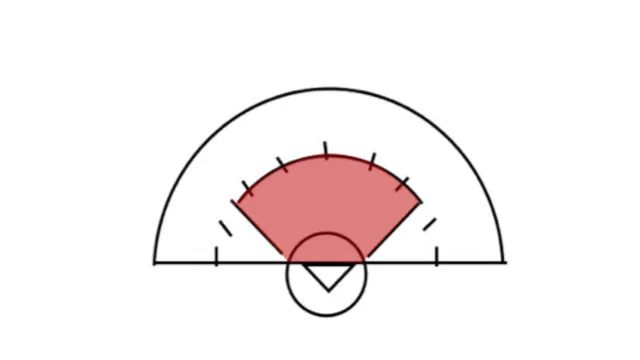
The 8-meter restricted area is one of the most crucial zones in women’s lacrosse. It protects the critical scoring area and ensures that defenders do not illegally obstruct attackers. Understanding how this zone functions is key to grasping the dynamics of both offense and defense in the game.