A successful zone defense starts with a few simple principles. The goal is to create a frenetic atmosphere for the offense, rush decisions, and build pride and connection within the defensive group. It also gives players opportunities to take risks and have fun while defending together.
Why Play Zone?
The zone was originally used to accelerate play against teams that were stalling.
When the shot clock was introduced, there was an option to move away from the zone or continue using it without having to sustain the same high pressure for several minutes at a time.
A zone can also become a staple of your team. But it takes time to learn and develop. You have to invest in practicing it and nurturing it before expecting it to work well.
Pressure Is Everything
One of the biggest principles of the zone is pressure.
The priority is perimeter pressure:
Push players away from the cage.
Get pressure on the ball.
Take away vision.
Shift pressure toward the ball.
The key reminder is simple:
Pressure, pressure, pressure.
Another important rule is:
If you're standing, something's wrong.
Players should always be moving, scanning, and seeing what is happening around them.
Backer and Rover Structure
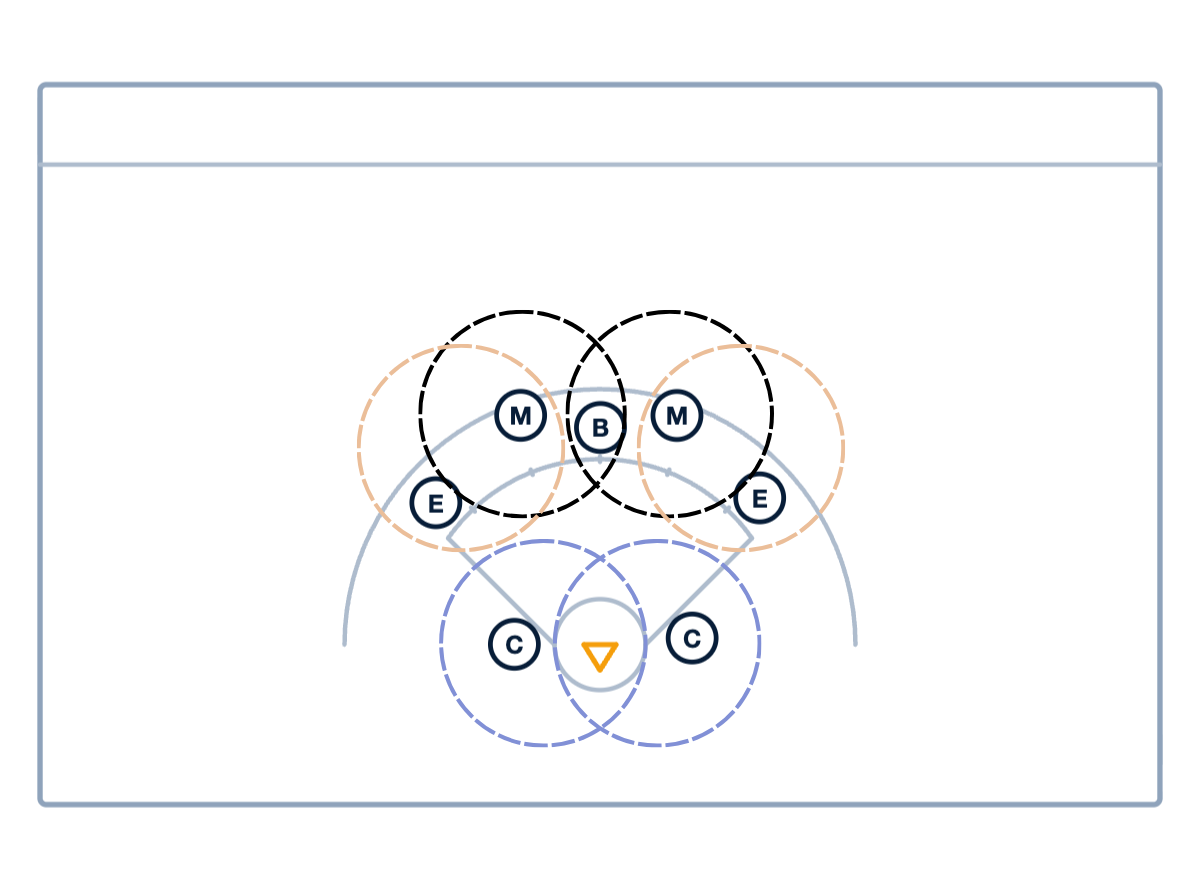
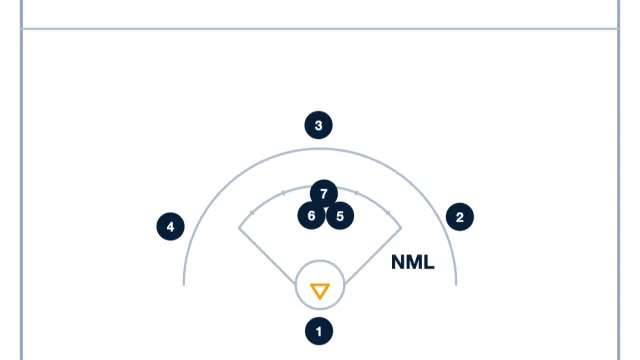
The hybrid zone uses a backer and a rover.
The rover helps cover the middle and picks up the person closest to the ball.
The goal is to overload the area around the ball. If the rover is focused on someone far away from the ball, gaps can develop where the pressure is needed most.
Personnel
The backer should be one of your strongest defenders.
They need:
Excellent footwork
Strong fitness
Strong 1v1 defense
The crease defenders should be strong communicators with good IQ and scanning ability. They also need to be fast because they can cover a lot of ground.
The elbows should be instinctual, have good reach, and be good at marking cutters.
The midfielders need to cover space quickly and be disciplined with their force.
The Three Defensive Principles
1. Pressure
Get the ball into the defenders' hands and bait them to drive or keep the ball.
Keeping the ball in one spot allows the defense to squeeze and overload around it.
The defense should also force the ball back where it came from.
2. Prioritize the Danger
When players aren't sure what to do, ask:
Where's the danger?
Players need to recognize which attacker is the biggest threat and prioritize that player.
Off-ball defenders should use a swivel head. They need to see cutters while also checking the middle and understanding what their teammates are doing.
3. Make Decisive Decisions
The decision doesn't always have to be perfect.
It needs to be fast and decisive.
Players should communicate their decisions and commit to them as a group.
Trying to create a rule for every possible situation can slow players down. Instead, give them principles and empower them to make instinctual decisions.
On-Ball and Adjacent Responsibilities
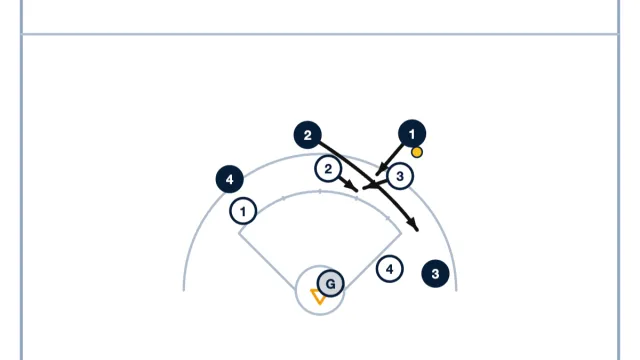
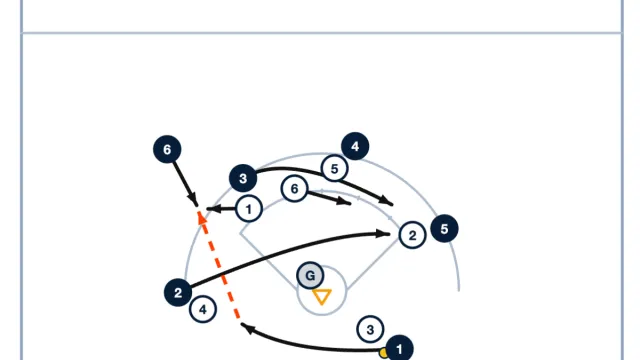
When on the ball, defenders force the ball back where it came from.
When adjacent to the ball:
Hedge out if the ball is traveling toward you.
Get in if the ball is traveling away from you.
This prevents multiple perimeter defenders from getting pulled out of position.
Off the ball, defenders should focus on people rather than spots.
Don't simply defend the crease or an elbow. Take away people and close seams that could make attackers look open.
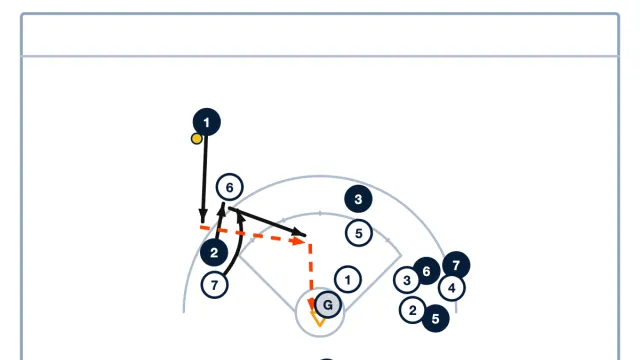
When the Ball Is Behind
When the ball is behind, the low crease defenders extend pressure onto the ball while the midfielders become especially important for covering cutters.
When the ball is high, those responsibilities flip.
The midfielders step out on the ball while the low crease defenders help with interior cutters.
Recognize Pressure Points
Not every area needs the same amount of pressure.
Some areas can be used as pressure points where the defense concedes space.
For example, the areas between the 45 and goal line extended can be difficult places to apply heavy pressure. Instead, the backer can step toward the ball, acknowledge it, but avoid applying high pressure.
This gives the defense a chance to reset while still maintaining its overall structure.
Build the Zone Over Time
A zone takes time to learn.
Players need to develop the ability to:
Scan
Recognize danger
Apply pressure
Force the ball
Cover cutters
Communicate
Make quick decisions
The goal isn't to make every decision perfectly.
The goal is to make decisions quickly, communicate them, and work together.
Discussion
Comments (0)
No comments yet.
Log in with an active subscription to comment.
Log in