
LaxPlaybook LaxPlaybook
Executing the Pairs Offense in Girls’ Lacrosse: Strategies for Dynamic Scoring
Women's Lacrosse Offense Member-only breakdown

Executing the Pairs Offense in Girls’ Lacrosse: Strategies for Dynamic Scoring

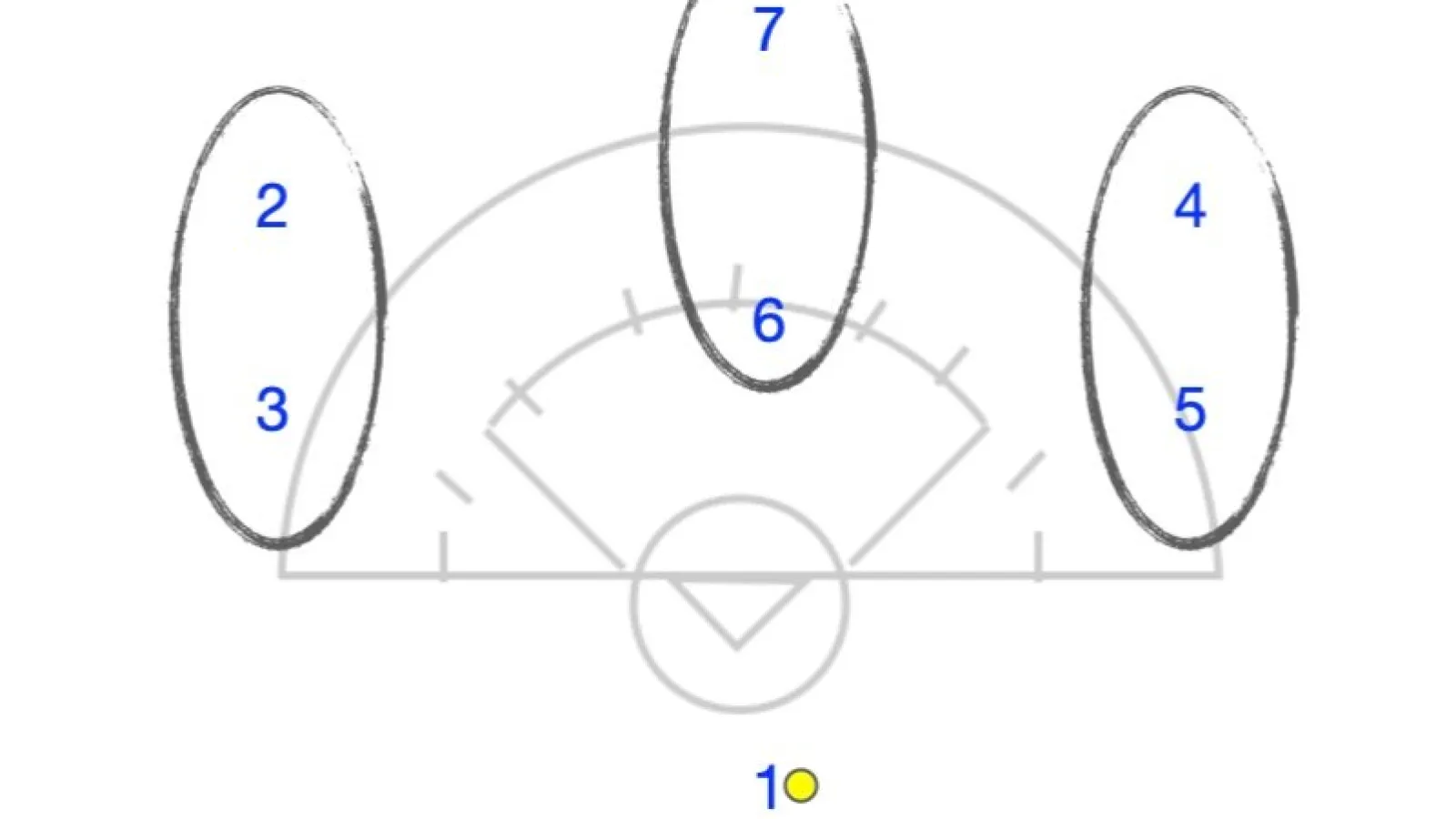
The pairs offense in girls’ lacrosse uses three sets of two players above the goal to create scoring opportunities through coordinated on-ball and off-ball picks, while a player behind the goal serves as a versatile outlet, feeder, and dodger. This setup emphasizes teamwork, movement, and strategic positioning to keep defenses off balance and open up shooting lanes.

Inside

The complete install.

Read the full teaching sequence, adjustment notes, and coaching language behind this concept.

Library

Keep it with your plans.

Save member content alongside the drills, plays, film notes, and practice blocks you use each week.

Access

Open every member page.

One membership covers the full LaxPlaybook library across men's and women's lacrosse sections.

Article preview 177 words unlocked here

In this pairs offense setup, the three sets of two players above the goal provide a dynamic and constantly shifting landscape, creating opportunities for both themselves and the player behind the goal. Here’s a breakdown of how each component functions and contributes to a cohesive, efficient offense:

1. The Role of the Three Sets of Pairs Above the Goal

On-Ball Picks: When a player has the ball, their partner can set a pick to help them get a better angle, break free from a defender, or create mismatches. On-ball picks are particularly effective when timed with the player behind the goal moving to be an outlet, which pulls the defense’s attention and opens up lanes.

Off-Ball Picks: These picks allow each pair to continuously set each other up to receive the ball in an optimal position, either for a direct shot or a quick pass to another open teammate. They also help to clear space in the middle, drawing defenders away from the crease and freeing the lone player behind the goal for feeding or dodging.

Ready to keep reading?

Turn this page into a usable practice plan.

Unlock the article, then move through the related plays, drills, and practice plans without losing the thread.

View membership