
LaxPlaybook LaxPlaybook

Library section

Women's Lacrosse Rules

Women's rules references and game-management notes.

The Illegal Cradle in the Sphere Rule in Women's Lacrosse members

The Illegal Cradle in the Sphere Rule in Women's Lacrosse

In women's lacrosse, safety and fair play are fundamental aspects of the game. One key rule that helps maintain these conditions is the illegal cradle in the sphere prohibition, which regulates the position of the stick in relation to the player and the possibility of a legal check. This rule prevents dangerous situations and promotes a cleaner game. In this article, we explain the rule, its consequences, and strategies to avoid violations.

The Charging Rule in Women's Lacrosse members

The Charging Rule in Women's Lacrosse

Women's lacrosse is a sport that emphasizes speed, strategy, and fair play. To ensure player safety, one of the fundamental rules is charging, which penalizes illegal contact between players. This rule prevents dangerous collisions and encourages a more technical and tactical style of play. In this article, we explain the charging rule, its consequences, and strategies to avoid committing this violation.

The Dangerous Propelling Rule in Women's Lacrosse members

The Dangerous Propelling Rule in Women's Lacrosse

Women's lacrosse is a fast-paced sport that prioritizes safety and game control. One of the key rules protecting players is dangerous propelling, which penalizes uncontrolled or excessively forceful ball throws. Its purpose is to minimize injury risks and promote a safer, more responsible style of play. In this article, we explain the rule, its consequences, and key strategies to avoid violations.

Illegal pick members

Illegal pick

An illegal pick in girls' lacrosse occurs when a player improperly sets a screen by moving, positioning too closely, blocking a defender's blind side without warning, or making physical contact. Understanding and executing legal picks ensures fairness and safety while helping teams effectively create scoring opportunities.

Tactical Fouls in Women's Lacrosse: Strategies and Consequences members

Tactical Fouls in Women's Lacrosse: Strategies and Consequences

Women's lacrosse is an exciting, fast-paced sport that involves not only skill and agility but also complex game strategies. While some strategies are essential for gaining a competitive edge, others can cross into the realm of tactical fouls—infractions deliberately committed to manipulate the game’s flow or disrupt the opponent's progress. In this article, we explore the most common tactical fouls in women's lacrosse, their examples, and the penalties they carry, helping players and coaches understand how to navigate these situations responsibly.

Minor Fouls in Women's Lacrosse: Rules and Consequences members

Minor Fouls in Women's Lacrosse: Rules and Consequences

Women's lacrosse is a fast-paced sport that requires technical skills, agility, and teamwork. While major fouls are vital for player safety, minor fouls also play a crucial role in maintaining the flow and fairness of the game. Although less severe than major fouls, these infractions can still affect the course of play. In this article, we will explore some of the most common minor fouls in women’s lacrosse, providing examples and detailing the penalties associated with each one.

The "Covering" Rule in Women’s Lacrosse members

The "Covering" Rule in Women’s Lacrosse

In women's lacrosse, the covering rule prohibits players from using their stick, body, or foot to cover the ball, prevent others from picking it up, or flick it into their stick using the back of the mesh. Violating this rule, such as raking or skimming over the ball to control it, results in a minor foul.

Essential Rules for a Legal Stick in Women’s Lacrosse members

Essential Rules for a Legal Stick in Women’s Lacrosse

A legal stick in women’s lacrosse must meet specific regulations, particularly regarding the pocket depth and stringing. The pocket depth rule varies based on the age group, with stricter limits for higher levels of play. The top of the ball must remain visible when pressure is applied to the pocket, and shooting strings should be within the top section of the head. The stick’s overall length and head dimensions are also regulated, ensuring fairness in gameplay and preventing any illegal advantages.

Understanding Shooting Space in Women’s Lacrosse: Key Rules and Tactics members

Understanding Shooting Space in Women’s Lacrosse: Key Rules and Tactics

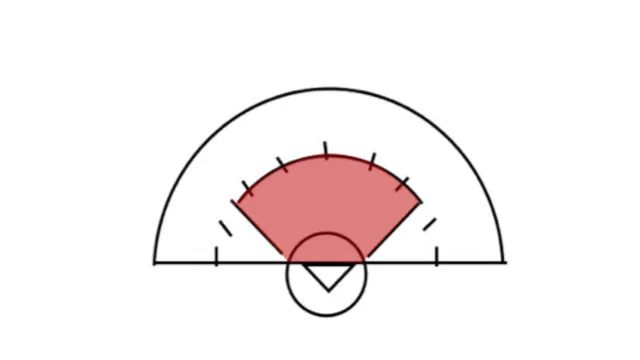
The shooting space rule in women’s lacrosse is crucial for safety, preventing defenders from entering the path of a shot. This rule applies when the ball is in the critical scoring area and the attacker is preparing to shoot. Defenders must avoid the shooting space unless they are actively marking the attacker within one stick length. Violations of this rule lead to an 8-meter free position shot for the attacker, with the defender repositioned behind them.