
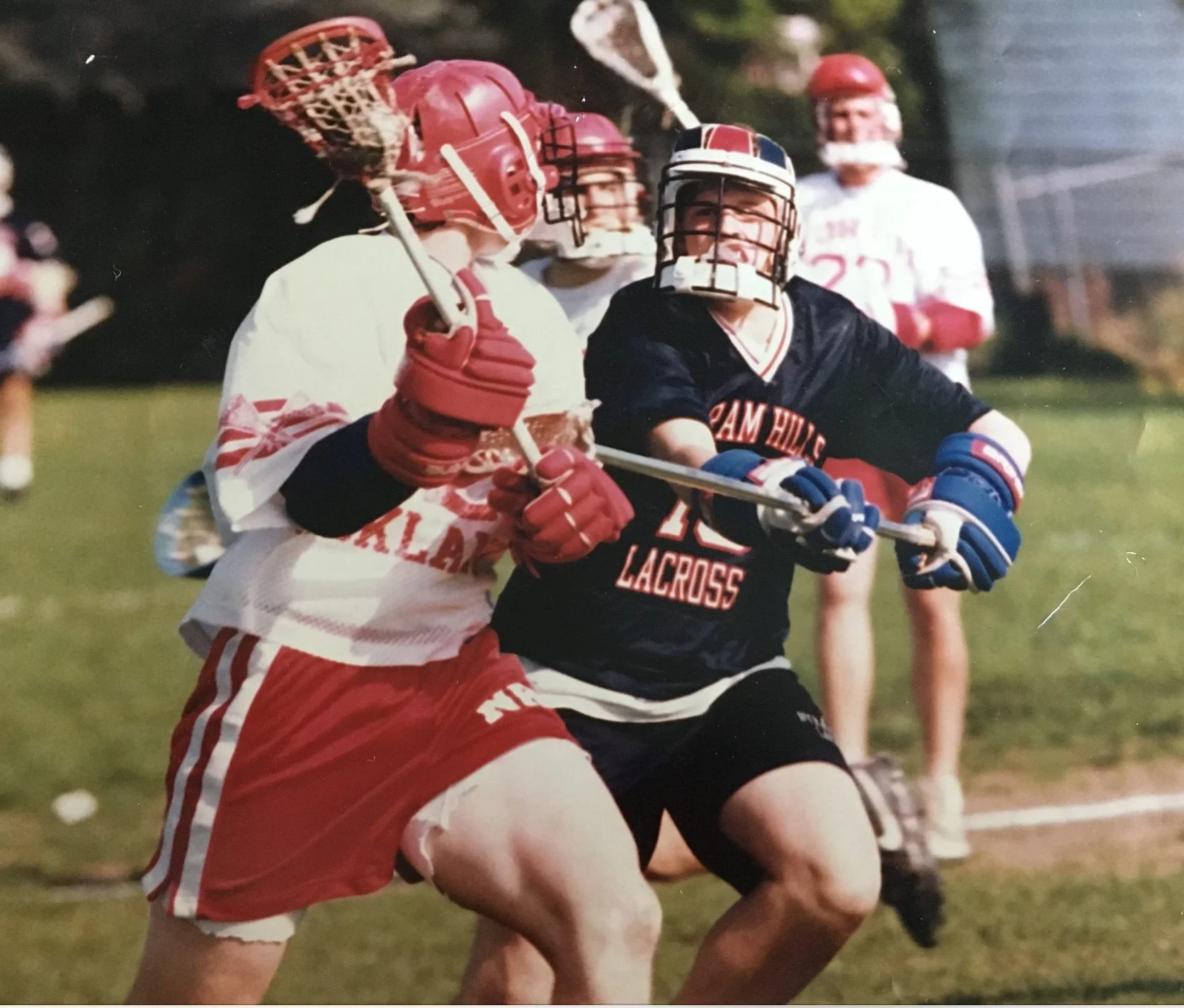
You’re standing on the sideline, whistle dangling from your neck, lacrosse stick in hand, as if gripping it tightly enough will keep the doubts at bay. Maybe you never suited up for a Division I program or played under the lights of a Final Four. Maybe you’ve only known the game as a coach, not a player. And now, every drill, every adjustment, every word feels like it’s being silently scrutinized by kids, parents, and that one assistant who starts every sentence with “When I played…”
You’re wondering: “Can I make them believe in me?”
Here’s the thing: respect in coaching isn’t about where you’ve been; it’s about what you’re building. And what you’re building doesn’t depend on your past as a player. It depends on your openness to learn, adapt, and make your players better.
Lacrosse has its fair share of legends. Players who racked up goals and accolades, whose names are spoken with reverence. But here’s the dirty little secret: being an elite player doesn’t automatically make you a great coach.