LaxPlaybook LaxPlaybook

Library

Articles

Latest coaching articles and tactical notes.

Essential Stretching for Men's Lacrosse: Enhance Performance and Prevent Injuries members

Essential Stretching for Men's Lacrosse: Enhance Performance and Prevent Injuries

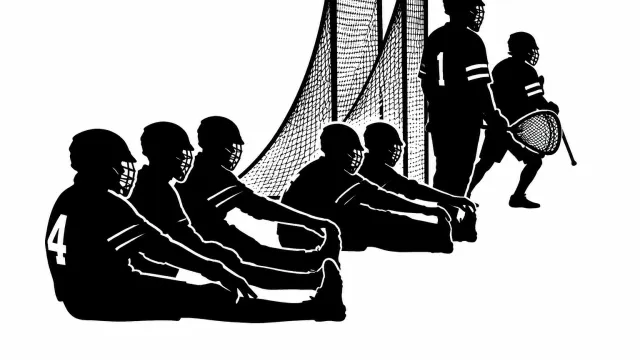
Stretching plays a crucial role in men’s lacrosse, helping players prepare their bodies for the physical demands of the sport while reducing the risk of injuries. A proper warm-up with dynamic stretching enhances mobility and muscle activation, while post-practice static stretching aids in recovery and flexibility. This guide outlines the most effective stretching exercises to optimize performance, prevent injuries, and keep players agile throughout the season.
Slashing in Men’s Lacrosse: Key Rules and Scenarios members

Slashing in Men’s Lacrosse: Key Rules and Scenarios

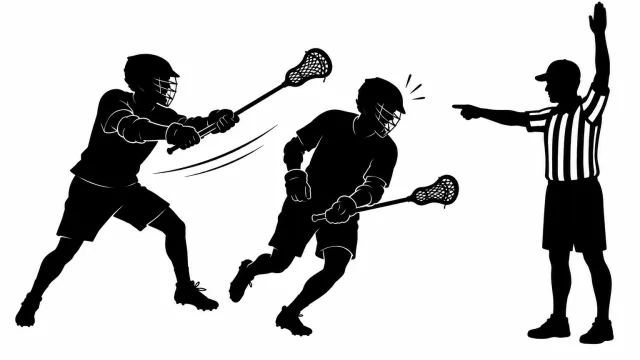
Slashing in men’s lacrosse is a personal foul where a player swings their stick with reckless or violent intent, making contact with an opponent’s body or stick. It can be called even if no contact is made, depending on the severity of the swing. This penalty results in 1-3 minutes in the penalty box, and the penalized team plays a man down. Slashing is common in youth lacrosse, as players often lack the stick control needed to avoid these infractions.

Quick Explanation of Cross-Checking in Men’s Lacrosse members

Quick Explanation of Cross-Checking in Men’s Lacrosse

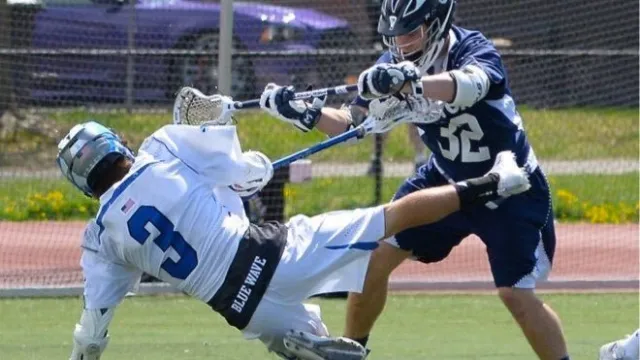
In men’s lacrosse, a cross-check occurs when a player uses the shaft of their stick to strike or push an opponent between their hands, which is illegal. Referees call it differently across levels—strictly in youth leagues for safety, while higher levels like college and professional lacrosse allow more physical play, so long as it’s controlled and not excessive.

The Multi-Sport Myth: Why Lacrosse Recruiting Demands Specialization members

The Multi-Sport Myth: Why Lacrosse Recruiting Demands Specialization

College lacrosse coaches claim to value multi-sport athletes, but the reality forces players to specialize in lacrosse year-round to meet recruiting demands. The system’s emphasis on constant showcases and tournaments leaves little room for athletes to pursue other sports. This contradiction limits athletes’ experiences, as the recruiting landscape prioritizes specialization over true athletic versatility, making it difficult to be well-rounded both on and off the field.​

Push From Behind in Boys’ Lacrosse: A Common Youth Infraction members

Push From Behind in Boys’ Lacrosse: A Common Youth Infraction

A push from behind is a frequent penalty in boys’ lacrosse, especially at the youth level. It occurs when a player illegally pushes an opponent from behind, causing them to lose balance. This infraction is common during ground ball scrambles, as younger players often lack body control and proper technique. Coaches should focus on teaching ground ball fundamentals and body positioning to reduce these penalties and promote safer, more effective play. The penalty for a push from behind is typically a 30-second technical foul.

Key Infractions Leading to a 3-Minute Non-Releasable Penalty members

Key Infractions Leading to a 3-Minute Non-Releasable Penalty

A 3-minute non-releasable penalty in men’s lacrosse is issued for severe infractions, requiring the penalized player to serve the full time regardless of opposing goals. Common offenses include targeting the head or neck, unsportsmanlike conduct, illegal equipment, and checking defenseless players. After a goal, teams face off, but the penalized team remains a man down. This rule emphasizes maintaining safety and fair play on the field.

The 10 Key Penalties in Men’s Lacrosse: A Path to Smarter Play members

The 10 Key Penalties in Men’s Lacrosse: A Path to Smarter Play

Understanding key penalties in men’s lacrosse, such as slashing, cross-checking, and offsides, is vital for players and coaches to maintain fair play and avoid game-altering consequences. These infractions can disrupt momentum and force man-down situations, giving opponents a strategic edge. By grasping the importance of staying within the rules, players improve their game while minimizing the risk of suspension or team disadvantage, ultimately helping to ensure a smoother, more efficient lacrosse experience.

Understanding Shooting Space in Women’s Lacrosse: Key Rules and Tactics members

Understanding Shooting Space in Women’s Lacrosse: Key Rules and Tactics

The shooting space rule in women’s lacrosse is crucial for safety, preventing defenders from entering the path of a shot. This rule applies when the ball is in the critical scoring area and the attacker is preparing to shoot. Defenders must avoid the shooting space unless they are actively marking the attacker within one stick length. Violations of this rule lead to an 8-meter free position shot for the attacker, with the defender repositioned behind them.

Understanding Legal Stick Specifications and Stick Checks in Women’s Lacrosse members

Understanding Legal Stick Specifications and Stick Checks in Women’s Lacrosse

Understanding what makes a stick legal in women’s lacrosse is essential to avoid penalties during a game. Players must ensure their sticks meet the correct length, pocket depth, shooting string placement, and head width specifications. Coaches can request stick checks during the game, and if a stick is found illegal, it could result in an immediate turnover or a disallowed goal. Regularly checking and maintaining equipment can help players stay compliant with the rules and avoid these penalties.

The Basics: Catching and Throwing Techniques in Women’s Lacrosse​

The Basics: Catching and Throwing Techniques in Women’s Lacrosse​

Mastering catching and throwing in women’s lacrosse is essential for building a solid foundation. Key skills include proper stick positioning, maintaining soft hands for ball control, and using effective passing techniques like pushing and pulling with follow-through. Players must also focus on footwork, eye coordination, and cradling after a catch to protect possession. By perfecting these fundamentals, athletes improve their gameplay and contribute to smoother team performance. These techniques help ensure accuracy, control, and fluidity during fast-paced games.​

Essential Bags for Your Lacrosse Gear

Essential Bags for Your Lacrosse Gear

Having the right bag for your lacrosse gear is essential to keep everything organized and protected. A good bag allows you to efficiently carry your stick, balls, and accessories, ensuring you're always ready for practice or games with your equipment in top condition.