
LaxPlaybook LaxPlaybook

Library

Articles

Latest coaching articles and tactical notes.

Change of direction Drill members

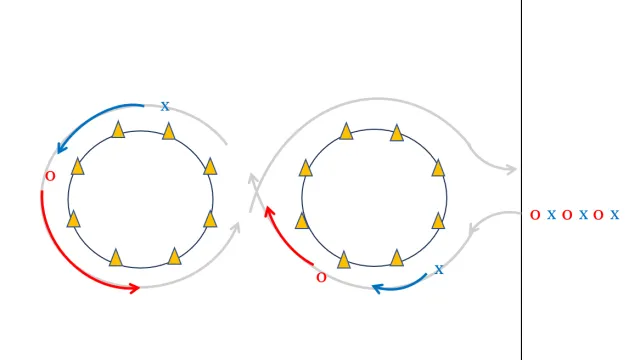
Change of direction Drill

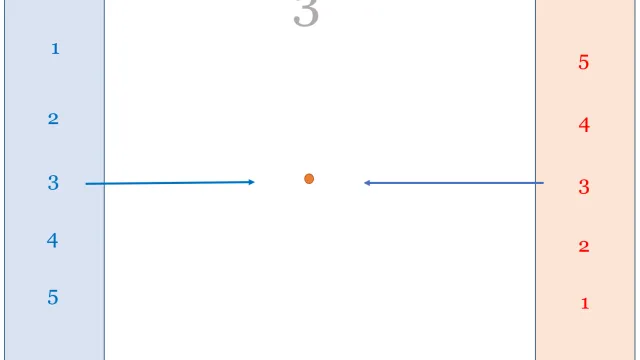
The "Change of Direction Drill" is a key lacrosse exercise designed to improve agility, ball control, and quick decision-making. By simulating game situations where attackers dodge defenders, players practice rapid directional changes while maintaining control of the ball. This drill enhances shooting accuracy and power, making it essential for developing speed and efficiency in offensive plays.

"Mouse and Cat" Lacrosse Drill for Boys members

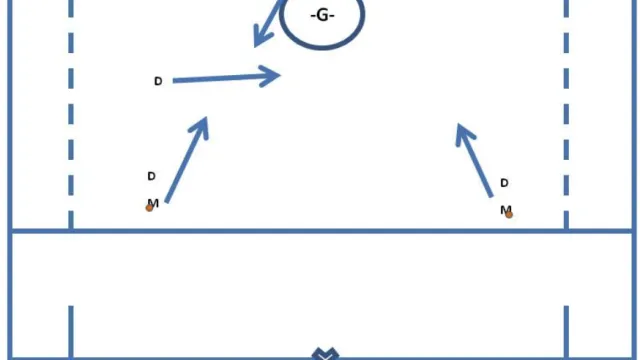
"Mouse and Cat" Lacrosse Drill for Boys

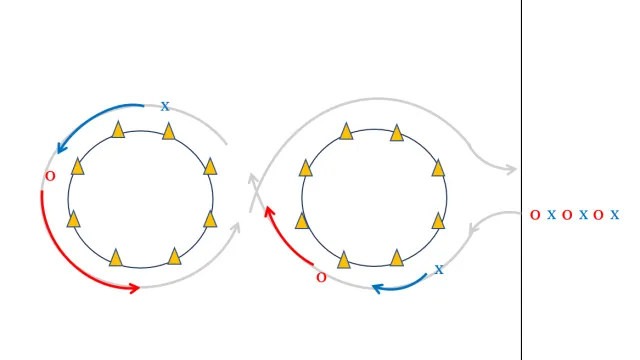
The "Mouse and Cat" lacrosse drill enhances both stick control and defensive skills. Attackers practice ball handling under pressure and evading checks, while defenders work on closing gaps and applying legal checks. This competitive drill develops agility and key techniques for real game situations.

Comprehensive 2-Hour Practice Plan for High School Men’s Lacrosse members

Comprehensive 2-Hour Practice Plan for High School Men’s Lacrosse

This comprehensive 2-hour practice plan for high school men’s lacrosse is designed to enhance fundamental skills, implement team strategies, and boost overall performance. Featuring drills that focus on passing, shooting, defensive tactics, and conditioning, the plan ensures players develop both individually and as a cohesive unit, preparing them effectively for competitive play.

"Mouse and Cat" Lacrosse Drill members

"Mouse and Cat" Lacrosse Drill

The "Mouse and Cat" lacrosse drill helps develop stick control and evasion skills. Attackers focus on ball handling while dodging, and defenders improve their ability to stay close and anticipate movements. It’s a fun, competitive drill that sharpens agility and key technical skills for the game.

3v2 Scramble Drill members

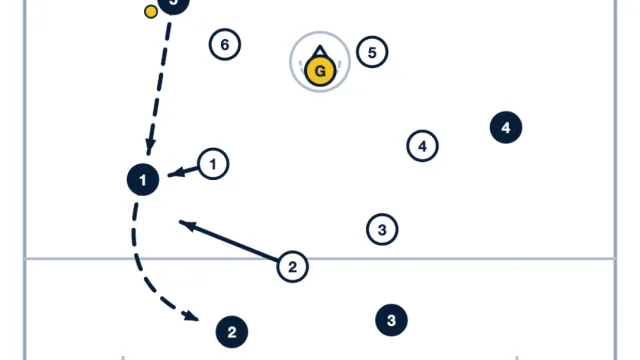
3v2 Scramble Drill

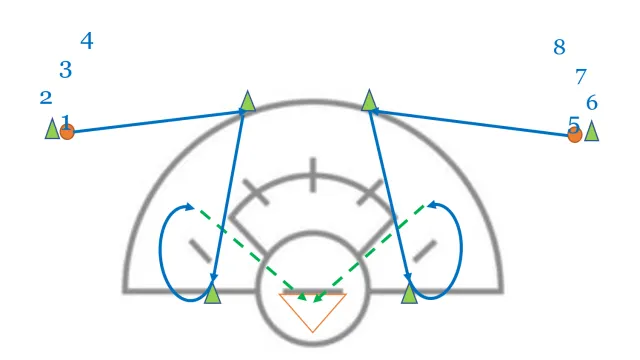
This fast-paced 3v2 scramble drill in men’s lacrosse improves offensive spacing, passing, and shooting while challenging the defense’s slide and recovery. Starting behind the cage, it simulates game-like situations and enhances conditioning, field awareness, and decision-making under pressure.

2-Minute Offense – With Full Accountability Drill members

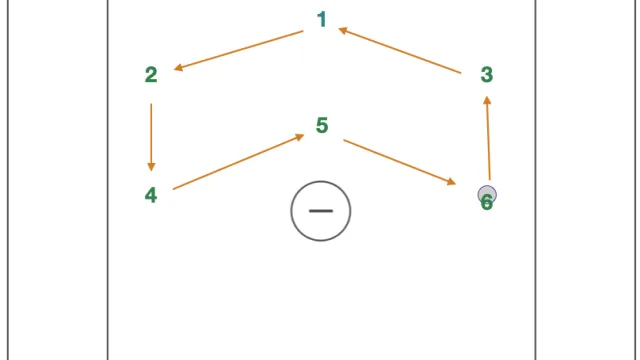
2-Minute Offense – With Full Accountability Drill

This 2-minute lacrosse drill emphasizes offensive ball control under high pressure, while the defense plays aggressively to force turnovers and clear. Offenses face accountability, running sprints if they lose possession, making them focus on ball security while improving overall conditioning and game readiness.

1 v 1 with a Hole Slide members

1 v 1 with a Hole Slide

This drill focuses on 1v1 situations, allowing offensive players to practice dodges and defensive players to work on positioning and sliding into the hole. With an emphasis on communication, footwork, and finishing with a shot, this drill helps both offense and defense sharpen their skills in realistic game scenarios. Variations include adjusting the starting location or adding an offensive player to challenge the slide defender.

Closed vs. Open Lacrosse Practices: Pros and Cons for High School Teams members

Closed vs. Open Lacrosse Practices: Pros and Cons for High School Teams

Deciding between closed and open lacrosse practices at the high school level involves weighing focus and strategic privacy against transparency and community engagement. Closed practices provide fewer distractions and protect game plans, while open practices foster support and parental involvement. Finding the right balance depends on your team’s needs and program goals.

Pros and Cons of Shutting Off One Player when Man-Down members

Pros and Cons of Shutting Off One Player when Man-Down

Shutting off the opponent’s best offensive player during man-down situations is a risky strategy that can neutralize a key threat and disrupt their game plan. However, it increases pressure on the remaining defenders and can be exploited by a well-prepared offense. Coaches should carefully weigh these pros and cons, considering their defensive capabilities and the opponent’s tendencies before implementing this tactic.