
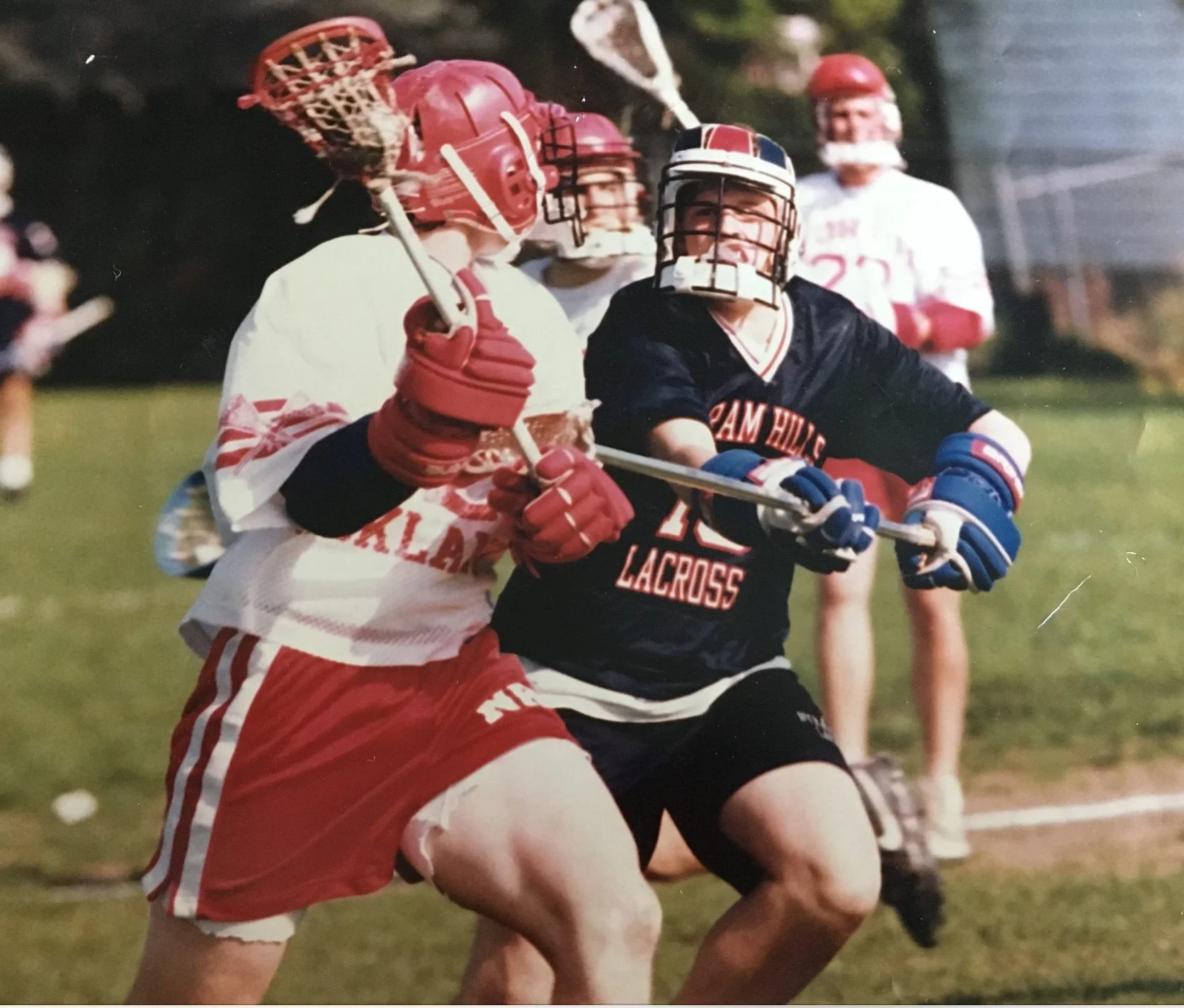
a man-down situation occurs when a team is penalized, leaving them temporarily with fewer players on the field. Effectively managing these situations is crucial to prevent the opposing team from capitalizing on the numerical advantage. A well-executed man-down defense focuses on strategic positioning, disciplined rotations, and clear communication.

Key Principles of Man-Down Defense:

1. Protect Prime Scoring Areas: Defenders should prioritize covering high-percentage shooting zones, particularly the area around the crease, to minimize scoring opportunities.

2. Maintain Communication: Constant verbal exchanges among defenders are essential. Calling out responsibilities, alerting teammates to cutters, and signaling potential threats help in maintaining defensive cohesion.

3. Support the Ball Carrier: The defender closest to the ball carrier must apply pressure, aiming to turn the ball carrier away from the goal and disrupt offensive plays.

4. Proper Body Positioning and Rotation: Defenders should position themselves to cover passing lanes and be ready to rotate quickly to cover open offensive players, ensuring the defense remains compact and responsive.

Individual Responsibilities:

• Defender on the Ball Carrier: Apply pressure to the ball carrier, aiming to turn them away from the goal and force them into less advantageous positions.

• Defender One Pass Away: Position yourself to cover the passing lane, ready to intercept or deflect passes, and be alert for skip passes that could exploit defensive gaps.

• Defender Close to the Crease: Tightly mark or front the player near the crease to prevent easy passes and shots from close range.

• Defenders Two Passes Away: Position yourself to cover multiple offensive players, ready to rotate and provide support as needed.

Team Responsibilities:

• Effective Communication: Defenders should constantly communicate, calling out rotations, identifying cutters, and alerting teammates to potential threats.

• Rotation and Support: Defenders must rotate opposite the ball's direction, ensuring coverage of all offensive players and preventing uncontested shots.

• Force Low-Percentage Shots: Encourage the offense to take shots from less advantageous positions, allowing the goalie time to react and increasing the likelihood of a save.

• Stick Positioning: Keep sticks up and in passing lanes to disrupt offensive plays and force turnovers.

• Quick Reaction: React swiftly but under control to changing offensive movements, maintaining defensive integrity.

• Regain Possession: Focus on regaining possession of the ball to transition back to even strength.

Common Defensive Formations:

• Box-and-One Defense: In this zone defense, four defenders form a box around the crease, while one defender covers the player on the crease. This formation is effective against offenses with a single player near the crease.

• 2-3 Zone Defense: Similar to the basketball 2-3 zone, this defense features two defenders higher up and three closer to the crease, effectively covering the field and protecting the goal.

Additional Considerations:

• Disrupt Passing Lanes: Defenders should keep their sticks up and in passing lanes to make passes more difficult and increase the chance of turnovers.

• Disciplined: Avoid chasing the ball or leaving your assigned area, as this can lead to defensive breakdowns and scoring opportunities for the offense.

• Practice Rotations: Regular drills focusing on defensive rotations and communication can enhance a team's effectiveness in man-down situations.

By adhering to these principles and responsibilities, a lacrosse team can effectively manage man-down situations, minimizing scoring opportunities for the opposition and maintaining defensive integrity.