
LaxPlaybook LaxPlaybook
Face-offs in Men’s Lacrosse: Technique and Strategy to Win Possession
Men's Lacrosse Skills and Technique Member-only breakdown

Face-offs in Men’s Lacrosse: Technique and Strategy to Win Possession

In men’s lacrosse, face-offs are essential plays that occur at the start of each quarter and after every goal. This battle for possession gives both teams a chance to control the game from the outset. In this article, we delve into what a face-off is, how it’s executed, and why it’s a crucial skill in lacrosse.

Inside

The complete install.

Read the full teaching sequence, adjustment notes, and coaching language behind this concept.

Library

Keep it with your plans.

Save member content alongside the drills, plays, film notes, and practice blocks you use each week.

Access

Open every member page.

One membership covers the full LaxPlaybook library across men's and women's lacrosse sections.

Article preview 166 words unlocked here

Introduction:In men’s lacrosse, face-offs are fundamental plays that occur at the beginning of each quarter and after every goal. The face-off allows both teams to compete for possession, providing an opportunity to control the game from the start. In this article, we’ll delve into what a face-off is, how it’s executed, and why it’s an essential skill in lacrosse.

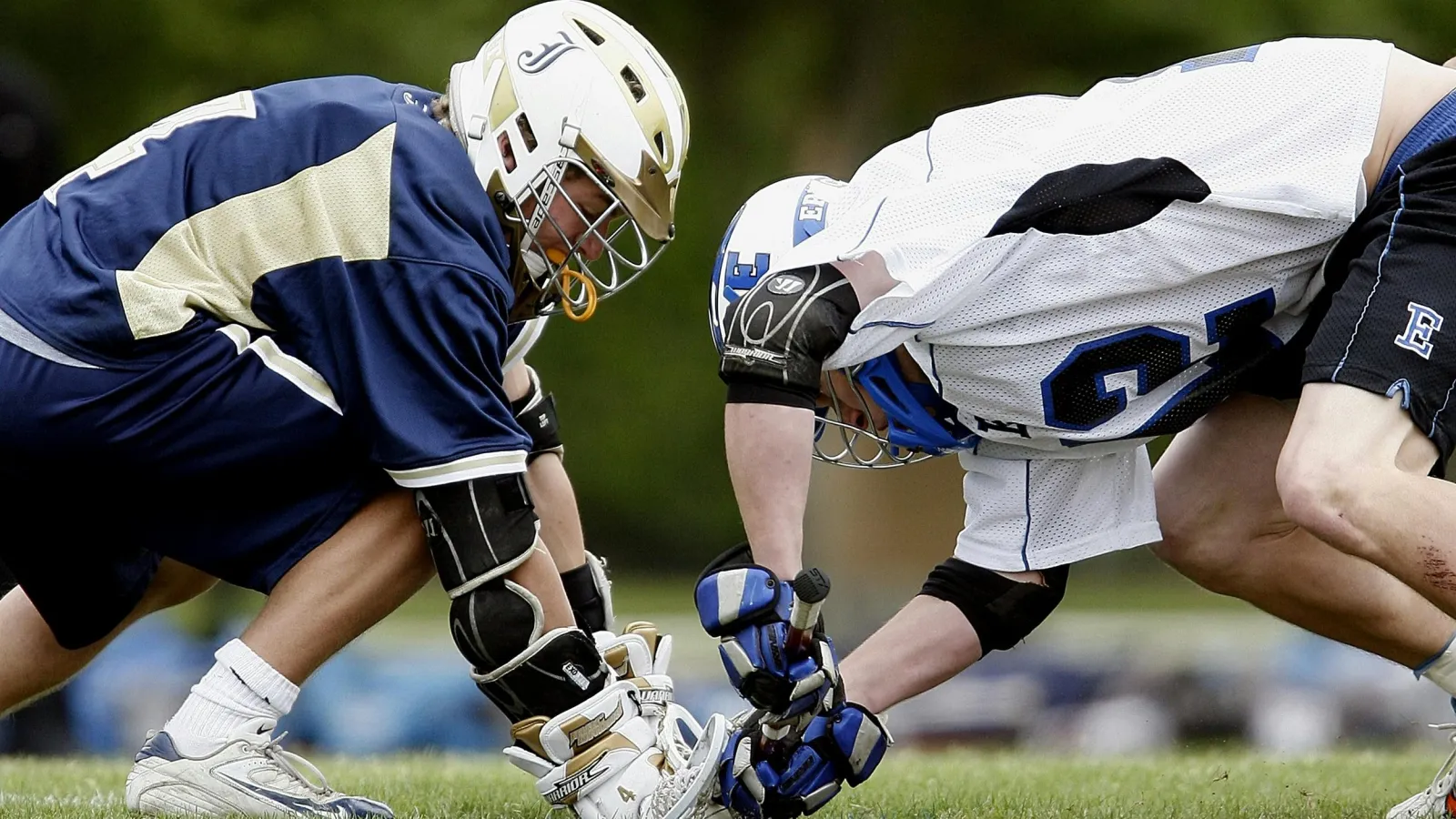
What is a Face-off?A face-off is a game-starting technique in which two players are positioned in the center of the field, in a squatting position, to compete for possession of the ball. Winning the face-off gives a team the first opportunity to attack, especially valuable after an opponent scores.

How to Execute a Face-off:

Initial PositioningFace-off players, known as face-off specialists, squat in the center of the field, facing each other. Their sticks are parallel on the ground with the ball placed between the stick heads. Players must keep their hands and feet behind the restriction lines, avoiding any forward movement.

Ready to keep reading?

Turn this page into a usable practice plan.

Unlock the article, then move through the related plays, drills, and practice plans without losing the thread.

View membership