
LaxPlaybook LaxPlaybook
Women's Lacrosse Passing and Movement Drill: Improve Your Skills on the Field
Women's Lacrosse Practice Drills Member-only breakdown

Women's Lacrosse Passing and Movement Drill: Improve Your Skills on the Field

Lacrosse is a dynamic sport that requires technical skills, teamwork, and quick thinking. One of the most important aspects of this sport is the ability to make accurate passes while constantly moving. The "Passing and Movement in the Area" drill is an excellent way to work on these skills, especially in women’s lacrosse, where agility, communication, and precision are essential. Below, we explain how to perform this drill and the benefits it brings to players.

Inside

The complete install.

Read the full teaching sequence, adjustment notes, and coaching language behind this concept.

Library

Keep it with your plans.

Save member content alongside the drills, plays, film notes, and practice blocks you use each week.

Access

Open every member page.

One membership covers the full LaxPlaybook library across men's and women's lacrosse sections.

Article preview 160 words unlocked here

Lacrosse is a dynamic sport that requires technical skills, teamwork, and quick thinking. One of the most important aspects to develop in this sport is the ability to make accurate passes while constantly moving on the field. The "Passing and Movement in the Area" drill is an excellent way to work on these aspects, especially in women's lacrosse, where agility, communication, and precision are essential. Below, we explain how to perform this drill and the benefits it brings to lacrosse players.

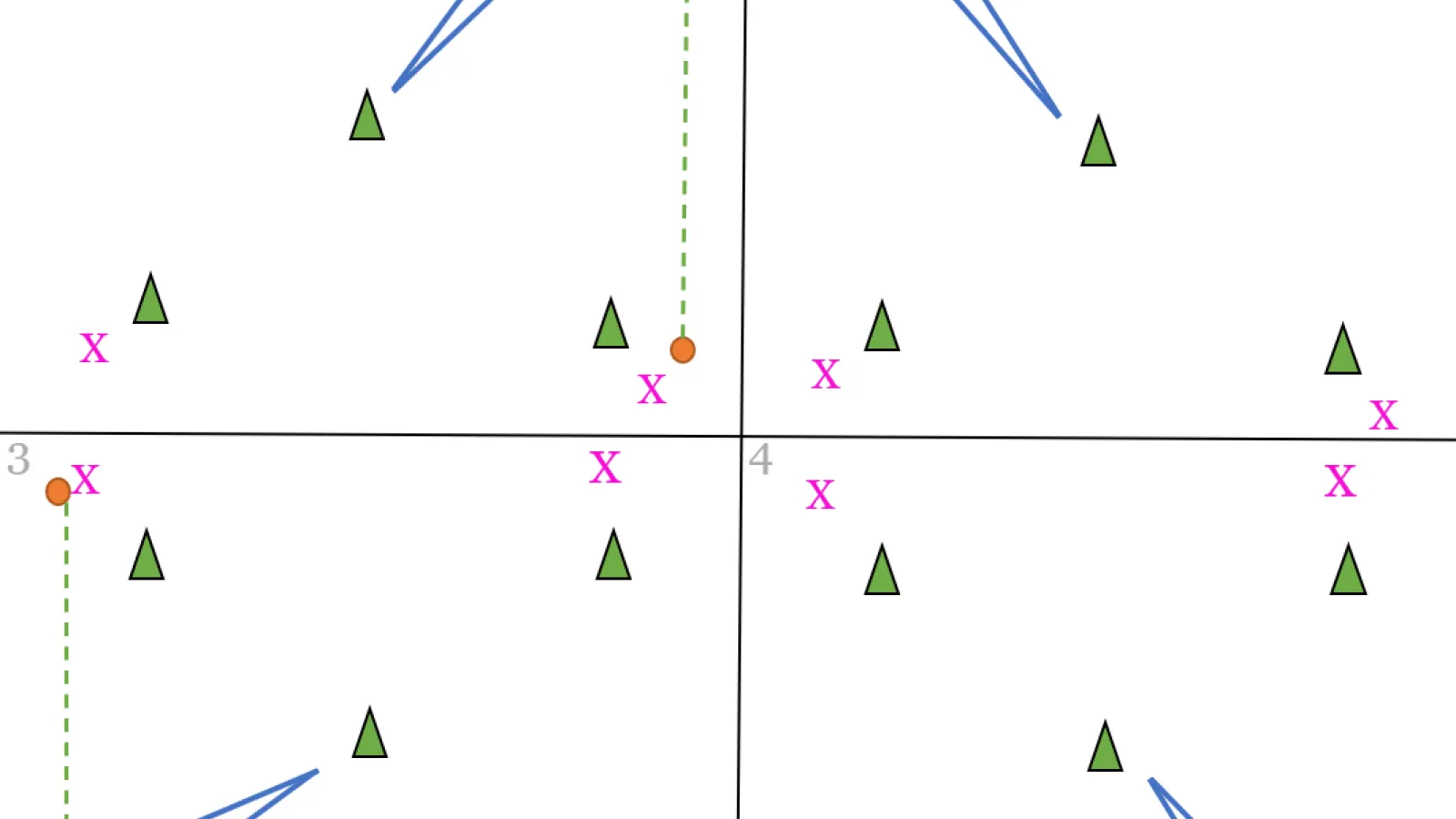
How to Perform the DrillThe drill takes place in a defined space (called a "box") and aims to improve passing, movement, and quick decision-making. Here are the detailed steps to carry it out:

Playing Area: Mark out a square or rectangular space, known as the "box," where the players will move.

Player Distribution: The drill starts with one player holding the ball and the other players positioned around her without the ball.

Ready to keep reading?

Turn this page into a usable practice plan.

Unlock the article, then move through the related plays, drills, and practice plans without losing the thread.

View membership